Alliances, Alignments, Coalitions and Partnerships in the Middle East
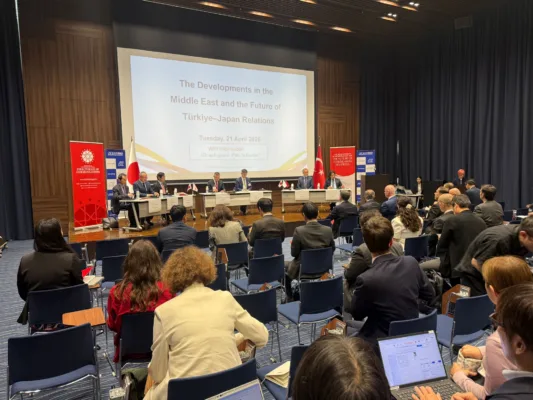
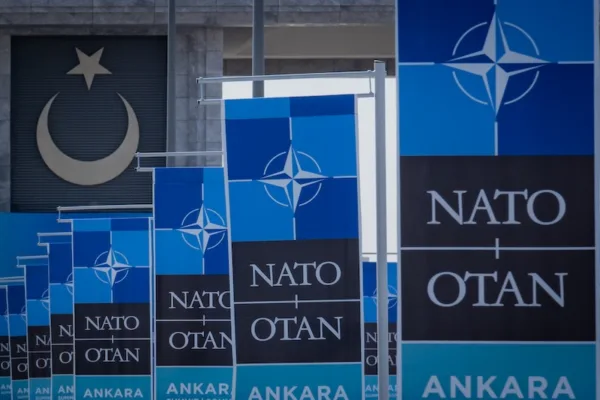
The confusion about U.S. policies towards its allies in the last few years has been steadily growing in different parts of the world. This is generating a debate in different circles in regards to the meaning and function of the alliances in the evolving international system. In the countries that have traditional alliance relationships with the United States this debate is directly impacting the bilateral relations between the U.S. and this ally. Last week another contribution to this ongoing debate took place in a panel at SETA Foundation headquarters in Ankara. From different perspectives, there are a few common concerns and points about the future of alliances in the Middle East.
First of all, there is a lack of clarity about the definition and function of the alliances in the changing regional and international systems. Especially since the end of the Cold War, there is a conscious attempt to avoid the term “alliances.” Instead the scholars and experts preferred to use less committal and more flexible concepts such as alignments and partnership. Even the concept “pact” is being perceived as too militarized nowadays. This shows that the cooperation between different states will be less militarized and more political and economic in the coming period. However we will continue to see more debates because of the clarity of the term and may invent new terms to describe different forms of cooperative behavior among states.
Secondly, as mentioned above, the lack of clarity about U.S. strategy in regards to its allies will continue to be a destabilizer in the coming period. We are at a juncture of history in which even the future of the “transatlantic partnership” between the U.S. and EU is being debated. There is no clear strategy at this point in the U.S. to shape the behavior of the U.S. towards other countries. For the last 15 years during the most important development in international relations, the U.S. administration preferred to describe the relationship it had with other countries against a common threat with the term “coalition.” Both the “coalition of the willing” during the U.S. invasion of Iraq and current coalition to defeat DAESH expect the “allies” to agree with the U.S. strategy to deal with certain threats, however, lowering the expectation in terms of the duration of the alliance. This confusion about U.S. strategy is generating skepticism in regards to the U.S. motivation in its behavior.
Thirdly, another significant dimension of alliances in the Middle East is related to the intra-regional alliances in the Middle East among different regional actors. For instance, since the Iranian nuclear deal there have been many analyses focused on the emergence of an alliance against Iran among other regional actors in order to balance the threat of Iran. However, the motivation of the behavior in these countries in different periods makes these forms of predictions difficult. The main problem is whether the threat that generates alliance-building behavior is a domestic or an external one. In some countries, regime security is usually considered the most significant threat for the ruling elite and thus shapes the state’s behavior. For example this was the case after the beginning of the Arab Spring. Some regimes considered this a major threat for their survival and thus tried to unite with forces that wanted to deal with this threat. On the other hand, the Iranian nuclear deal shifted the focus of this debate. After this deal, there were more debates in the line of the traditional balancing of a rising challenger.
Under these circumstances it is important that even in beginning to understand the future of alliances we have some steps that we need to take. The conceptual clarification, a more open and understandable strategy of the next U.S. administration, which will clarify its expectations from its traditional alliances, and the need to pay attention to the different motivations of different leaders in the Middle, need to be taken into consideration in order to understand the behavior of an alliance.
This article was first published in Daily Sabah on June 25, 2016.