New Dissent on Obama’s Syria Policy
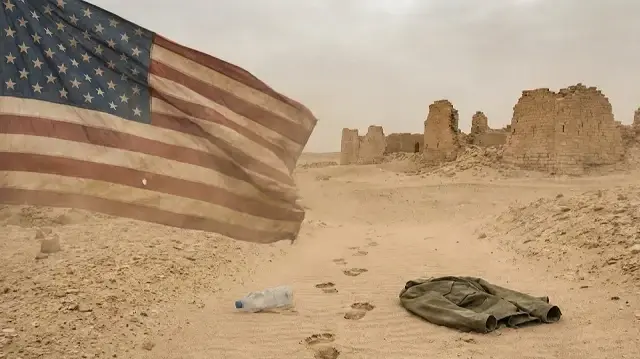
I have written many times in this column that the conflict in Syria, with the tragedies, massacres and violations of the most basic humanitarian norms, will be the most significant dimension of the foreign policy legacy of U.S. President Barack Obama’s administration.
For many observers and analysts, the U.S. administration’s the policy on Syria is, after five years of conflict in the country, still puzzling. This is especially because after years of many serious mistakes in Iraq while George W. Bush was president, everybody was expecting a more thorough policy from the Obama administration. However, it eventually became clear that the single lesson Obama and members of his administration learned from this period was a policy of non-intervention, and the implementation of this lesson lamentably took place amid a situation that requires serious intervention from the world’s super powers more than anywhere else.Numerous former administration officials have come out with serious criticism of the administration’s handling of the situation in Syria. These include former Secretaries of Defense Leon Panetta and Chuck Hagel, former secretary of state and current Democratic Party presumptive presidential nominee Hillary Clinton, former ambassadors that dealt with U.S. policy on Syria Robert Ford and Fred Hof and former National Security Council members such as Phil Gordon. Many analysts and observers of Middle Eastern politics have been writing about the lack of sense of direction and strategy regarding the U.S.’s Syria policy.
On Thursday evening, a new group of dissenters on the Obama administration Syria policies emerged. The New York Times reported that dozens of U.S. diplomats currently serving at the State Department and involved in Middle East politics wrote an internal memo about the current state of U.S. policy concerning the conflict.
According to the report, the internal memo was signed by more than 50 U.S. diplomats and was sharply critical of the Obama administration. The memo also urged the United States to take military action against the regime of Bashar Assad in order to deal with its violations of the cease-fire agreements across the country. Again, according to The New York Times, the memo also recommended the US administration employ “a judicious use of stand-off and air weapons, which would undergird and drive a more focused and hard-nosed U.S.-led diplomatic process.”
Although memos from dissenters are not unusual in U.S. politics, the report highlighted that the number of signatures on the document is “extremely large,” if not unprecedented.
The memo reveals latest group of people who are extremely uncomfortable and even frustrated with the way the Obama administration is handling the civil war in Syria. Although some officials constantly tout the continuing resolve of the Obama administration not to use U.S. military power in Syria as a success and achievement, the fact that non-intervention and inaction have been the administration’s only tactics significantly limited its options.
After the red line statement in particular, the situation went on to prove that the deterrent power of the U.S. has been significantly reduced. On the one hand ,this provided a green light for the Assad regime to continue its killings through conventional means, and on the other, it reduced U.S. influence in the international arena. Accordingly, both the diplomatic and political pressure the U.S. could exert over the Assad regime and its allies in international settings was reduced.
At this point, those dissenting Obama and his administration’s handling of Syria is growing through contributions from different actors and observers concerning its decision making process. This trend looks like it will continue, and grievances about the Obama administration’s Syria policy will spread.
This article was first published in Daily Sabah on June 18, 2016.
You may also like