Questions about Iran-US relations

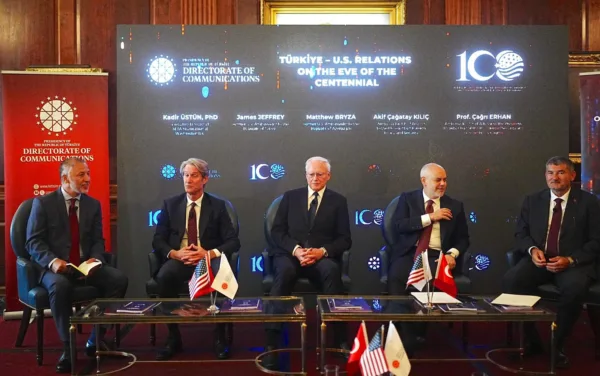
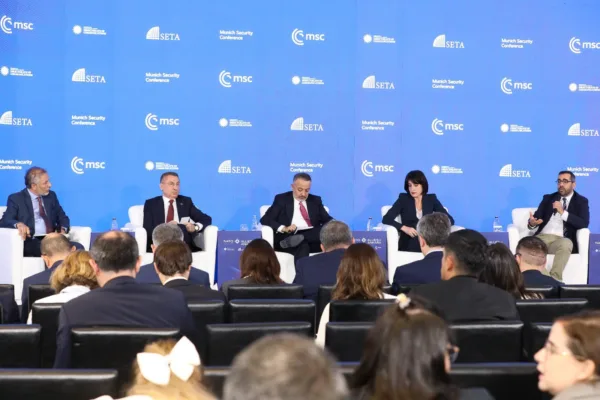
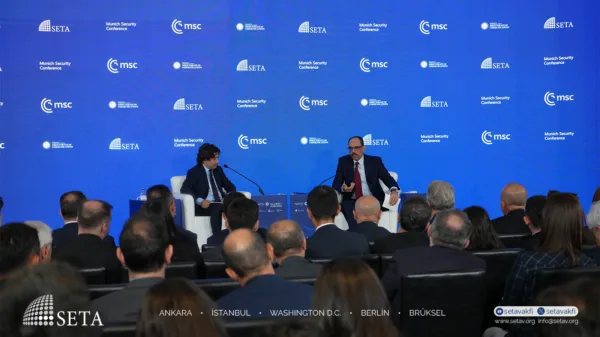
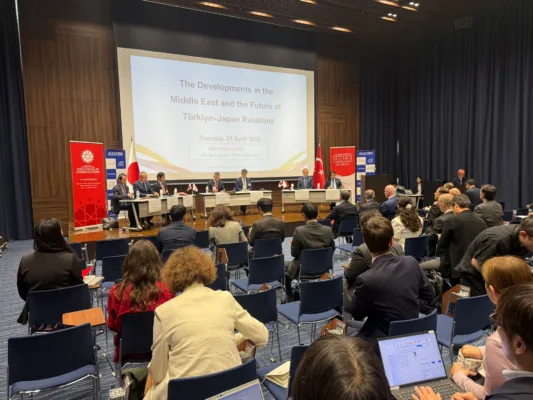
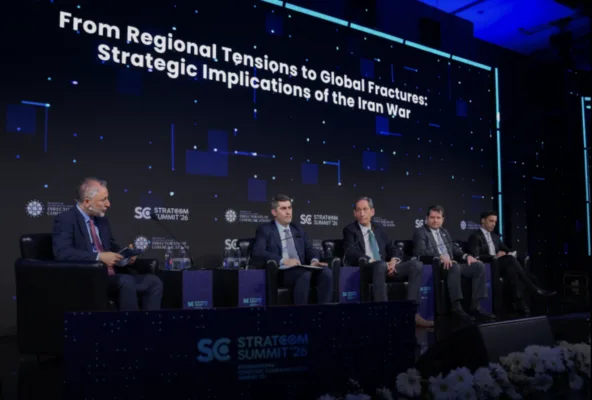
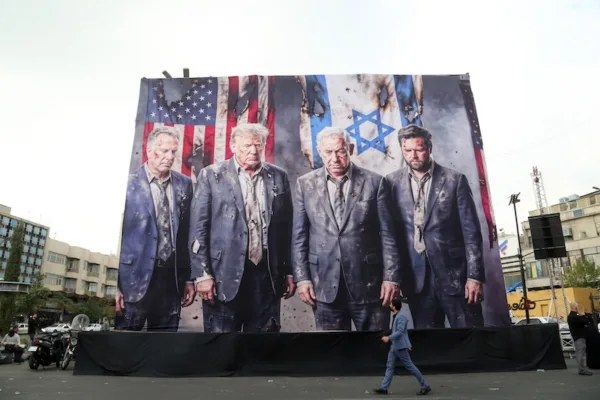
Debates and discussions regarding Iran have spanned years in Washington. From the “axis of evil” to “Sunni-Shiite equilibrium” and the Joint Comprehensive Plan of Action (JCPOA) to the “maximum pressure” campaign, there have been a variety of different positions and policies offered by the last three administrations in the White House. In the meantime, regional actors and the international community have tried to make sense of the main objectives of U.S. foreign policy. Sometimes major crises took place between U.S. allies in the region and the U.S. administrations due to lack of clarity. For instance, when Turkey was trying to broker a deal with Tehran regarding its nuclear program, shockingly, the U.S. administration sharply rejected the proposal that was agreed upon in the Tehran Declaration and moved on with a new set of sanctions. A few years later, it was the same administration that, despite the protests of some of its allies in the region, signed the Iranian nuclear deal. Turkey endorsed the resolution of the disputes between the U.S. and Iran through negotiations; however, a few years later a new administration decided to withdraw from the agreement. Now, with the elimination of waivers for oil imports from Iran and increasing rhetorical pressure, there are various questions about the future of U.S. policies on Iran. During a panel at the Foundation for Political, Economic and Social Research (SETA) in Washington, some of these questions came up during the discussions among the panelists.
First, do the 12 demands put forward by Secretary of State Mike Pompeo last year still represent U.S. foreign policy? Those demands mainly aimed to permanently stop the nuclear program of the country, halt the missile programs, end its support for the proxies in the country and the return of U.S. citizens arrested by the government. However, since then, no strategy has been provided by the administration to achieve these goals. It is also not clear which of these goals will have priority for the U.S. and how much Iran is ready to provide concessions for the U.S.
Second, in maximizing pressure on Iran, it is not clear how much the U.S. administration is ready to push the regime with sanctions. A few years ago, many in Washington used to indicate “war fatigue” as one of the most significant determinants of U.S. foreign policy. Many argue that the extreme expressions of this trait, especially by those in the administration, led to the end of the military deterrence capability of the U.S., which generated further problems for the administration. For the last few years, sanctions started to play a primary role for U.S. foreign policy in its relations with different countries. However, recently we have observed an excessive use of sanctions or threats to use sanctions as the most prominent dimension of the U.S. policy. It is not clear what will happen if sanctions start to create unwanted or unexpected results for Washington.
Third, the U.S. administration has problems with its allies. The JCPOA was endorsed by U.S. allies in Europe, some of which actually joined the negotiations. However, some U.S. allies in the Middle East, including Saudi Arabia and Israel, firmly opposed this agreement. Now, with the Trump administration’s policy of withdrawing from the agreement, we are seeing a mirror image of it. European allies oppose the U.S. decision to withdraw, and Saudi Arabia and Israel are extremely satisfied by the decision. Can the U.S. create a balance or a common position between its allies in Europe and the Middle East? Each of its moves are considered unilateral by the other side, and each move alienates the U.S. from some of its allies.
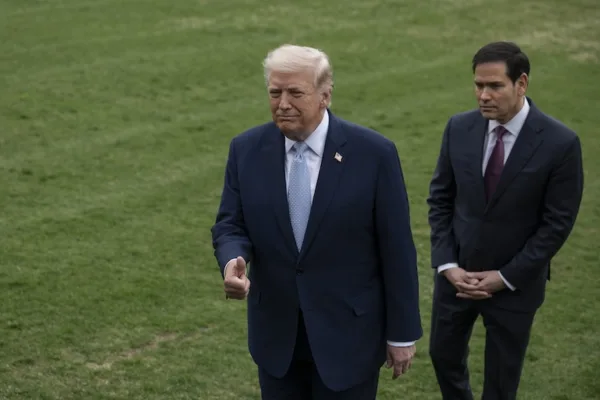
Finally, there is a question of what’s next. Next year, presidential elections will be held in the U.S. Most probably Iran will not invest in launching another set of negotiations with the U.S. before the November 2020 elections. It is not clear what a second term Trump administration will prioritize in its relations with Iran, and it is not clear what policies a Democratic president would support if the party wins the presidential elections given the diversity of the candidates and their positions in regard to foreign policy. Of course, how a sharp U-turn in U.S. foreign policy regarding the JCPOA will be interpreted by its allies in the Middle East and in Europe also remains a mystery.
There are many unanswered questions that puzzle experts and observers of U.S. foreign policy regarding Iran.
This article was first published by DailySabah May 4, 2019.
You may also like