The UN from Washington’s Perspective and Türkiye’s Insistence on Reform
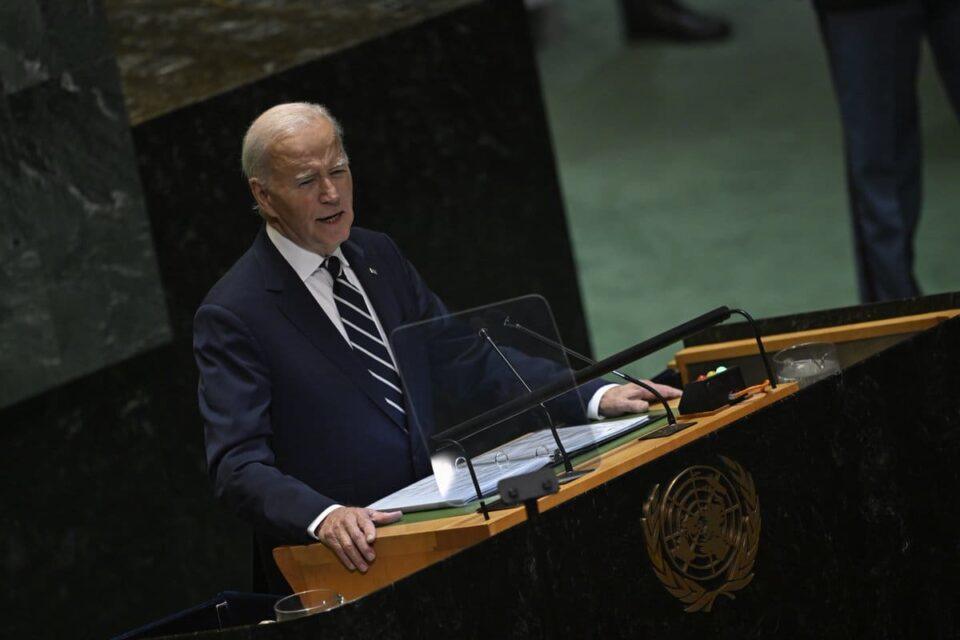
President Biden’s final UN speech of his political career coincides with perhaps the least effective period in American diplomacy. Since October 7, the Biden administration has stood by as Israel’s actions have severely damaged American diplomatic credibility in the eyes of the “international community.” While voicing the need for UN reform, it seems Biden is doing so not out of a genuine desire for a new international order but rather to ease pressure from countries discontent with the current system. Although the need for UN reform has been discussed for years, the Biden administration only began addressing it after Russia’s invasion of Ukraine, yet no real negotiations for structural changes to the international system have been initiated. Instead, Biden has focused on preventing international pressure on Israel. His agenda at the UN is unlikely to go beyond familiar topics like support for Ukraine, humanitarian aid in conflict zones, climate change, and artificial intelligence.
THE INEFFECTIVENESS OF BIDEN’S DIPLOMACY
Washington has long used the UN General Assembly as a platform to negotiate its foreign policy priorities with major powers like Russia and China and to secure broader global consensus. In the past, American administrations have managed to persuade veto-wielding UN Security Council members on issues such as Iraq’s invasion of Kuwait, the 9/11 attacks, sanctions on Libya, Iran, and North Korea, effectively leveraging their privileged position at the UN. Even when insisting on diplomatic protection for Israel, the US avoided international isolation by promoting the peace process as a path to stability in Palestine.
This week, however, the absence of a critical policy proposal to persuade countries with veto power reveals the extent of American foreign policy’s diminishing influence on the global stage. At a UN summit where neither Putin nor Xi are in attendance, we will hear both direct and veiled criticisms of these leaders from Biden. Yet no concrete proposals will be made to end Russia’s war on Ukraine or the regional conflict between Israel and Iran. Furthermore, there are no draft agreements in place for essential international frameworks on UN reform, artificial intelligence, or climate change. The string of accusations and vague aspirations surrounding current conventional wars and global issues will, in a sense, confess the failure of American diplomacy to offer solutions.
WHAT IF TRUMP RETURNS?
Biden came to power with a promise to reverse Trump’s unilateral diplomatic legacy, vowing that “America is back,” and committing Washington to work alongside allies to strengthen international institutions. While this promise has been partially fulfilled in the context of NATO, and to a limited extent in deals like AUKUS with Asia-Pacific allies, there is still significant uncertainty about America’s enduring influence and commitment to these objectives. Should Trump return to power in November, Washington could revert to a “reset” mode on many issues. The Biden administration, which has based its leadership strategy on alliances, has become increasingly isolated, especially regarding the Israeli-Palestinian conflict. This isolation would likely deepen under a potential Trump administration.
The Biden administration, which frequently touts its commitment to a “rules-based international order,” has ironically expended most of its diplomatic capital on defending Israel, creating one of the most paradoxical moments in American foreign policy. Although the administration claims to embrace the need for UN reform on principle, its continued supply of arms and ammunition to Israel, while failing to even encourage a ceasefire, has undermined its assertion of re-engagement with the international community. This situation highlights America’s impotence in confronting Israel and its complicity in the war crimes unfolding in Gaza and Lebanon. Whether you interpret this as powerlessness or complicity, it demonstrates that Washington no longer has the influence or strength to establish an international system capable of resolving global crises.
TÜRKİYE’S PERSISTENCE ON UN REFORM
With the veto-wielding privileged members of the international system increasingly unable to stop wars or solve global problems, the burden of reform is falling to others. Countries like Türkiye, Brazil, and South Africa have long been pushing for principled and persistent reforms, and these demands are now taking shape as concrete proposals. This week’s “Summit of the Future,” addressed by Foreign Minister Hakan Fidan, stands out as one of the most significant platforms for discussing proposals to reform the UN. The initiative’s discussion points—such as expanding veto rights and adding permanent representatives from unrepresented continents—are promising.
It is clear that the structure of the UN Security Council, where the priorities of major powers, especially the US, have been negotiated and imposed on the rest of the world, needs real reform. While this change will take time, a reformed system could limit America’s ability to shield Israel from diplomatic pressure. Yet, it is hard to believe that the US is genuinely committed to this reform agenda, and major powers will resist any reduction in their veto powers. Nevertheless, President Erdoğan’s consistent advocacy on this issue may lead to one of Türkiye’s greatest contributions to the reform of the international system.
For middle powers like Türkiye, the dysfunction of international governance and the UN’s ineffectiveness is a far more pressing issue than it is for larger powers. For the American public, events in the Middle East remain largely an “external” matter, with far less direct impact on daily life. As American citizens enjoy the benefits of global leadership without wanting to pay its costs, they downplay the urgency of reforming the international order. For countries like Türkiye, where conflicts in the region have immediate consequences, dialogue and resolution are more urgent needs. Türkiye’s persistent efforts toward UN reform stem from this necessity.