Trump trying to walk in Obama’s shoes
The Obama years in U.S. foreign policy were known for their indecisiveness and inaction most of the time, especially in regards to policy in Syria. The U.S.’s position hurt not only the image of the U.S. abroad but also the interests of the U.S. in terms of damaging its alliances with many countries in the region. The failure of the administration to make decisions at critical junctures of the Syrian crises and the gap between the rhetoric and action of the administration generated questions about the reliability of the U.S. for its partners and allies. Thus many analysts called its Syria policy the most problematic in the foreign policy record of the Obama administration. The “red line” statement, the incoherence in statements and lack of action defined the U.S. policy toward the region.
This policy of course caused a major challenge in Turkish-U.S. relations. The ambivalence of the U.S. policy toward the Assad regime, the support to the Kurdish terrorist group of the People’s Protection Units (YPG) and silence over the armed groups and militia endorsed and sponsored by the Iranian government generated major skepticism toward the U.S. administration. The public’s reaction to the U.S. also grew more negative during this period. Particularly with the rise of PKK terrorism in the major population centers of Turkey and the increasing support of the administration to the YPG, Turkish public opinion became more reactive to the U.S. Following the failed coup attempt of July 15, the perceived lack of sympathy to the trauma of the July 15 coup attempt and the absence of immediate political support for the democratically elected government further strained ties between the two countries. Following the coup attempt the absence of any steps to accede to Turkey’s demands on the extradition and limitation of the activity of Fetullah Gülen increased the tension between the two countries.
Many in Turkey considered the election of a new president and beginning of a new administration as an opportunity for Turkish-U.S. relations. The widespread optimism among people in Turkey was in part due to this earlier period of crisis in bilateral relations. Since then the concerns of the Turkish state and public tried to be conveyed to the new administration in each and every meeting with U.S. officials. Although the first few months of a new administration is considered as an orientation phase for newcomers to the office, it is also important for the new administration to take some steps to fix relations with the U.S.’s allies. There has to be actions that aim to contain the damage done during the era of the former administration.
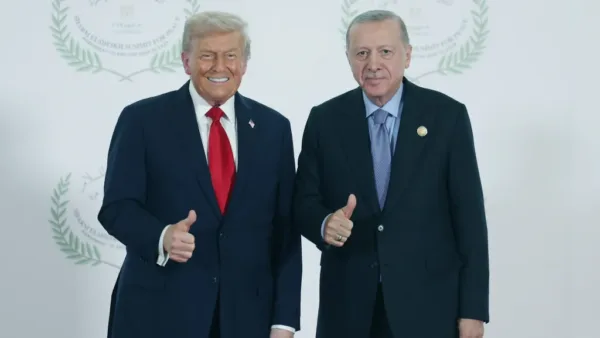
Although many are expecting a summit between presidents Recep Tayyip Erdoğan and Donald Trump to be a cornerstone for building a new conversation in regards to the future of relations, it is also important in the meantime for high level officials to establish a rapport and communication channels. The messages that will be given in these high level contacts constitute an important step in bilateral relations. The Turkish public at this point expect U.S. officials to understand the concerns and priorities of the Turkish people. Especially in a period where the Turkish people have been the victim of the actions of multiple terrorist groups and threats, it is important for U.S. officials to recognize the extent of these threats and their possible repercussions on bilateral relations. To discover areas of mutual interest is important for the long term stability of relations, but to understand the immediate threats to the security of a long term U.S. ally is key for the overall well-being of bilateral relations.
This article was first published in Daily Sabah on March 31, 2017.