Event Summary: Losing the Long Game: The False Promise of Regime Change in the Middle East
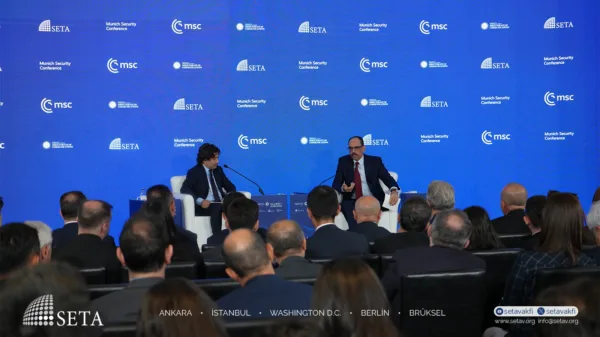
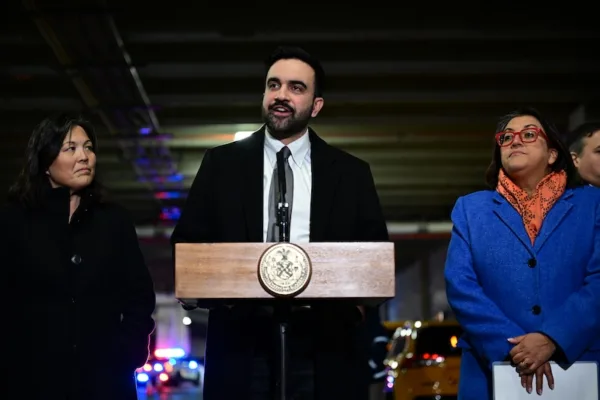
On Thursday, October 22, 2020, the SETA Foundation at Washington, DC hosted a virtual panel to discuss ‘Losing the Long Game: The False Promise of Regime Change in the Middle East.’ The discussion featured Dr. Philip Gordon, Mary and David Boies Senior Fellow in U.S. Foreign Policy at the Council on Foreign Relations. The panel was moderated by Kilic Kanat, Research Director at SETA DC.
At the outset, Gordon explained that the US has a long history of pursuing regime change in not only the Middle East, but in Asia and Latin America as well. However, these cases show that once the US decides to get rid of a regime, it tends to overstate the threat, underestimate the costs, produce unintended consequences, and prematurely declare victory. There is a tendency to believe that the US can wield its power to successfully change regimes, but the Middle East exposes a poor track record. In the case of the CIA-sponsored coup in Iran, the situation presented a post World War II period where, because it seemed like a success in the short term, it became the model for other interventions. The government tends to overstate the progress being made in certain conflicts because those within the national security establishment want to believe that progress is being made, especially given how much is being invested. This is precisely the case in Afghanistan over the last two decades. But, the pursuit of regime change leads many to believe that US policy is too militarized. The main reason why the US policy is more militarized than other foreign policies is because it has the means. The US has tremendous military power so this is always an option, and that has led the US down the road in the past of putting these tools to use.
Additionally, Syria is one case in which the US did not succeed in getting rid of the regime. Gordon insisted that it would have taken a lot more military force to oust Assad in Syria. The recipe of giving support to the opposition ended up escalating and perpetuating the conflict, not ending it. In regard to Obama’s infamous ‘red line’ statement, he noted that even if the US did respond with airstrikes, it would not have changed the course of the war in Syria. In fact, Obama wanted to go through with the airstrikes, but desired congressional support, which he never received. Obama did not want to abuse his authority as president while members of Congress had no appetite for involving themselves in this foreign policy matter. But in Libya, Congress played a significant role in the decision making process. At the time, Obama’s initial instincts were not to intervene, but members of Congress made the case for action. This along with the media put pressure on Obama to act.
You may also like