The Shifting U.S. Policy on Syria
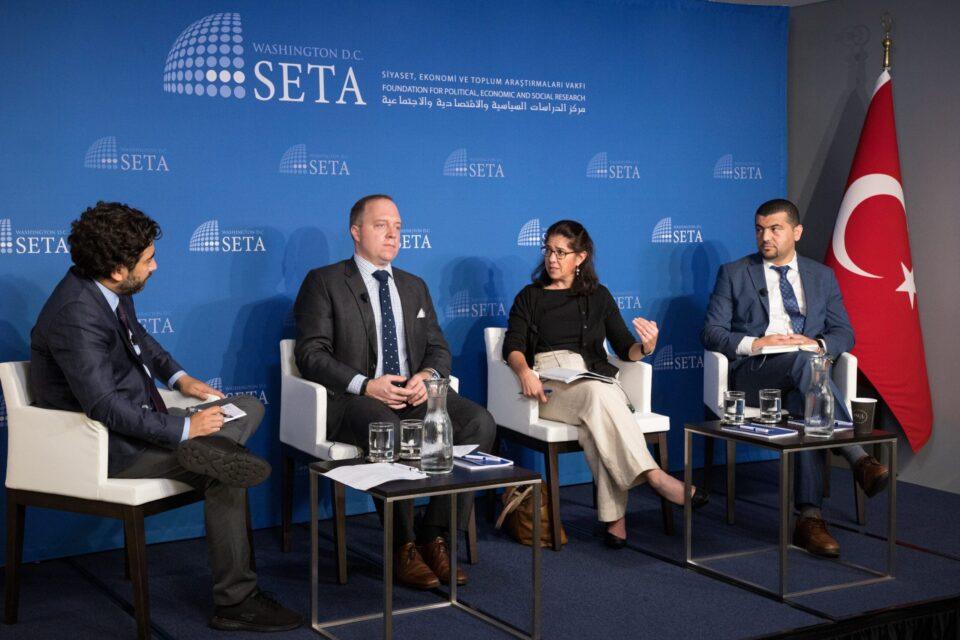
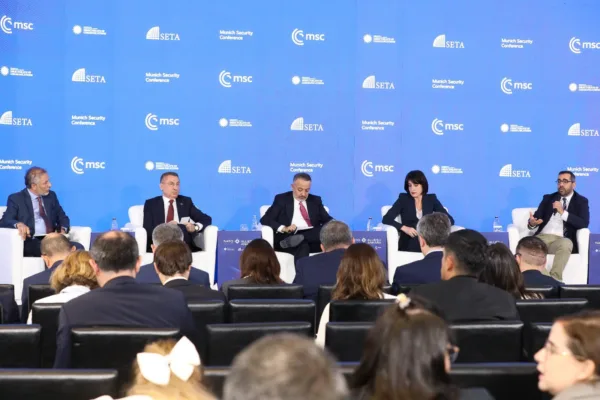
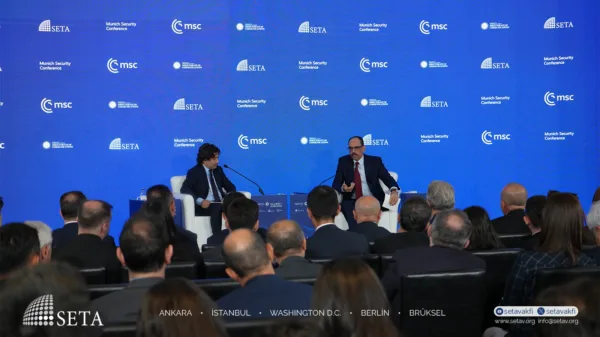
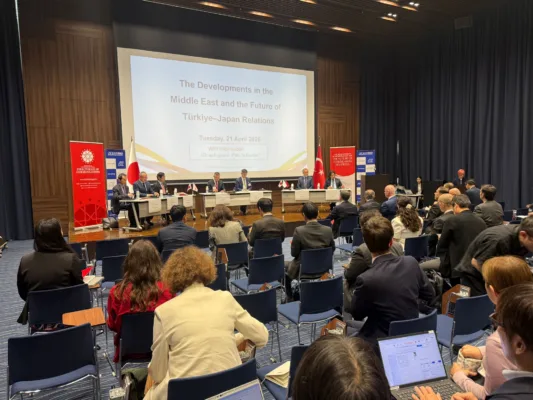
The SETA Foundation at Washington D.C. hosted an event on October 11, 2018 titled “The Shifting U.S. Policy on Syria.” The event discussed the recent signaling of U.S. officials that the U.S. is shifting its policy in Syria to counter Iran in addition to ISIS. The panelists highlighted the future policy options and decisions the U.S. could make in Syria and hypothesized how the decisions could provide stability to the country. The panelists included Andrew Tabler, Martin J. Gross fellow in the Geduld Program on Arab Politics at the Washington Center for Near East Policy; Mona Yacoubian, Senior Advisor for Syria in the Middle East and North Africa division at the United States Institute of Peace; and Hassan Hassan, Senior Research Fellow at George Washington University. Kilic B. Kanat, Research Director at the SETA Foundation at Washington D.C., moderated the event.
Andrew Tabler contended that the change in U.S. policy is due to the territorial control of ISIS diminishing and the increased presence of Iran in Syria. He argued that Assad has won to the extent that he has due to foreign assistance from Iran and Russia. With respect to policy change, Tabler noted that James Jeffrey has been able to engage with the military and various agencies in order to address the concerns of the U.S. and conduct a new policy. Additionally, Tabler discussed the shared goals of Turkey and the U.S., including the enduring defeat of ISIS and a desire to have a softer ending to the Syrian conflict. Furthermore, both countries hope to address the concern for Iran’s presence in Syria. He noted that while they have shared concerns and goals, their current mechanisms to address these issues are different.
Mona Yacoubian opined that the Syrian conflict is entering its most dangerous phase. She advocated for the restoration of stabilization funding in Syria, as it is crucial for an end to the conflict and it will give the U.S. better negotiating power. Additionally, she argued that the U.S. needs to engage with Turkey in order to address its policy concerns. She stated that in order for any peaceful end to be successful, countries have to use a combination of the comparative advantages of both the Astana Talks and the Geneva Talks. Regarding a question about incorporating refugees returning into stabilization, Yacoubian argued that the focus should be on internally displaced people first.
Hassan Hassan stated that the U.S. has a range of policy options it could choose, depending on how deeply it wants to become entangled in Syria. Hassan argued that the U.S. should consider supporting and collaborating with Turkey in order to reach its goals and bring all parties to the negotiating table. Addressing the U.S. policy shift, he noted that the Assad regime does not have enough influence or power to keep Iran out of Syria. Hassan also discussed the possibility of Turkey working with everyone in Idlib in order to ameliorate the situation.
The Shifting U.S. Policy On Syria

You may also like