The end of optimism in US foreign policy
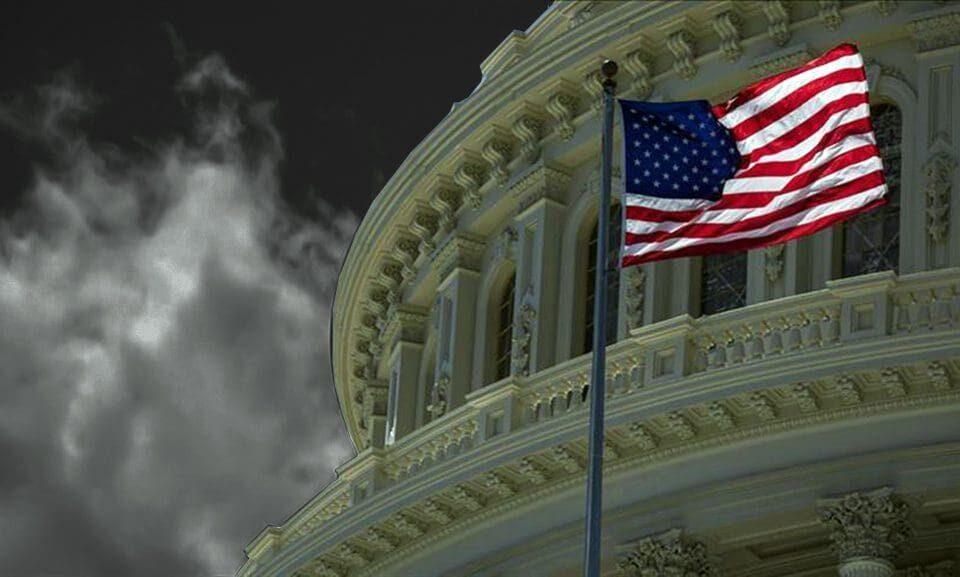
There are many different debates and discussions on the direction of U.S. foreign policy among scholars and practitioners of international relations today. In most of these debates the general idea is on the unpredictability of U.S. policy, absence of U.S. strategy and presence of interagency rivalry in Washington, D.C.
Especially in the last two years, since the inauguration of President Donald Trump, the inconsistency in foreign policy and constant circulation of top officials dealing with U.S. foreign policy is constantly emphasized as the defining characteristics of U.S. foreign policy.
Overall there is little trust for U.S. foreign policy among its allies and a lowering of expectations about the potential role of the U.S. around the world in the coming decades. Despite this chaotic scene, in the last one year, the three documents that were published by the most significant agencies of the U.S. put forward a rather coherent approach on U.S. foreign policy.
The National Security Strategy (NSS) announced by the White House, the National Defense Strategy (NDS) published by the Department of Defense and the Worldwide Threat Assessment Report prepared by the Director of National Intelligence (DNI) all point out similar threat perceptions for the future of U.S. foreign policy.
The shift in foreign policy
One of the most important aspects of these strategies is the shifting of U.S. attention to foreign policy with nation states and diplomacy rather than toward counterterrorism operations.
The Defense Strategy stated, “We are facing increased global disorder, characterized by the decline in the long-standing rules-based international order – creating a security environment more complex and volatile than any we have experienced in recent memory. Interstate strategic competition, not terrorism, is now the primary concern in U.S. national security.”
Thus especially after the territorial defeat of Daesh, terrorism may have to go back to its default settings and may become more of a policing issue for the U.S. In all of these three documents, there is a very strong emphasis on the emerging competition between the U.S. and Russia and China.
All three documents mentioned these emerging and present competitions in their introductions. The National Security Strategy document mentions: “The United States will respond to the growing political, economic and military competitions we face around the world. China and Russia challenge American power, influence and interests, attempting to erode American security and prosperity. “
The same competition is mentioned in DNI’s Threat Assessment Report as, “Threats to U.S. national security will expand and diversify in the coming year, driven in part by China and Russia as they respectively compete more intensely with the United States and its traditional allies and partners. This competition cuts across all domains involves a race for technological and military superiority, and is increasingly about values.”
The NDS report characterizes the current state of U.S. defense policy as follows, “Today, we are emerging from a period of strategic atrophy, aware that our competitive military advantage has been eroding.”
The challengers that the report points out are again China and Russia. Accordingly “China is a strategic competitor using predatory economics to intimidate its neighbors while militarizing features in the South China Sea. Russia has violated the borders of nearby nations and pursues veto power over the economic, diplomatic, and security decisions of its neighbors.”
Although these threat assessments have been present previously in the last reports of the U.S. government, the threats are directed at not only U.S. foreign policy but the international system that the U.S. had built as well.
According to the NSS for instance China and Russia “are determined to make economies less free and less fair, to grow their militaries, and to control information and data to repress their societies and expand their influence” whereas the DNI’s report indicated that “Russia and China seek to shape the international system and regional security dynamics and exert influence over the politics and economies of states in all regions of the world” and “The post-World War II international system is coming under increasing strain.”
Furthermore, the reports also point out the potential threats that these two countries can pose for the economic well-being of the American people.
Accordingly, as Russia and China try to reduce the access of the U.S. to the international markets, “the U.S. economy will be challenged by slower global economic growth and growing threats to U.S. economic competitiveness” and this will in turn “contribute to a decline in our prosperity and standard of living.” What will make this situation for the U.S. more challenging will be the “complex security environment” which has become more difficult to manage with the introduction of cyberthreats to security threats around the world.
The other two threats
In addition to China and Russia, North Korea and Iran were also mentioned in these reports as potential challengers of global stability and U.S. national security. However, the challenge of two main “competitors” is something that is more systematic and systemic. All of the three reports refer to these challenges as the main challenges that the U.S. should focus on in the coming decades.
In fact the DNI’s report also refers to a growing partnership between Russia and China and the potential threats that this partnership can pose for the interests of the U.S. in different parts of the world.
All three reports and statements by U.S. policymakers signal a more coherent view of U.S. foreign policy. Despite all the different tensions, disputes and competitions within the administration, most of the security establishment seems to focus on interstate competition for the new period. The era of optimism of a liberal international order and responsible stakeholders looks like something from the past.
Although President Trump’s decision to withdraw from Syria generated a lot of criticism and resistance among the different institutions of the U.S., at the end of the day many of these agencies seem to be in line with shifting U.S. attention from the long wars of the Middle East, toward nation building to a new great power rivalry of the 21st century.
This article was first published by the Daily Sabah on February 16, 2019.
You may also like