• Publications
    • Books
    • Opinions
    • Analyses
    • Reports
  • Events
  • About
    • SETA DC
    • People
  • US-Türkiye Relations
  • Washington Gündemi
  • Contact
  • info@setadc.org
    202-223-9885
    1025 Connecticut Ave NW
    Suite 410
    Washington, DC 20036
  • Publications
    • Books
    • Opinions
    • Analyses
    • Reports
  • Events
  • About
    • SETA DC
    • People
  • US-Türkiye Relations
  • Washington Gündemi
  • Contact

Turkey’s Changing Internal and International Dynamics: From “Where” to “What”

SETA Foundation SETA DC Posted On December 22, 2009
0


By Joshua W. Walker
SETA Policy Brief, No. 40, December 2009
Download the Brief
Prime Minister Erdogan’s December 7th White House meeting with President Obama re-emphasized theimportance of Turkey to both the United States and its Western allies. A variety of foreign policy issues such as Afghanistan, Iran, and Israel-Palestine were discussed with the emphasis placed on how much American and Turkish interests converge and potential areas of cooperation. However despite these positive developments and successful visit of the Prime Minister there still appears to be room for further improvement. Failure to appreciate the domestic challenges and issues occurring in Turkey has caused many Western actors—the European Union (EU) as a bloc and as individual countries, and in particular with the U.S.—to send the wrong messages that fail to fully account for recent domestic political realities.

Turkey’s struggle on the domestic scene with the remnants of the Cold War in its state apparatus and new attempts to solve the Kurdish problem, along with changing regional dynamics and a constructive foreign policy attitude must be taken into serious account by the US administration. Unfortunately, there has been a tendency for the U.S. to be reactive rather than proactive despite the dynamic nature of the internal and international changes being witnessed from Turkey. A critical account of US policy toward Turkey vis-a-vis Turkey’s transformation would give a better idea about the fatal misperception towards “where Turkey stands” versus “what Turkey has become” and pitfalls in Western policy formulation towards Turkey.
  • Recent

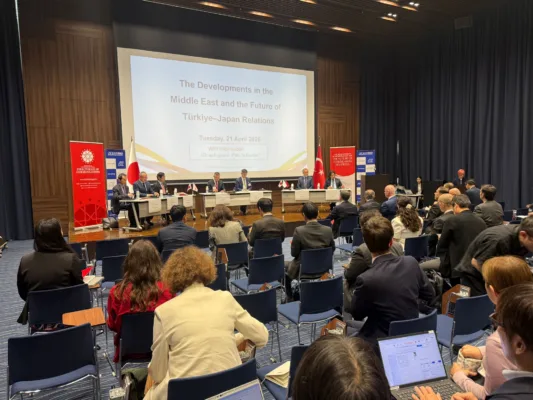
    • Panel on Middle East Developments and the Future of Türkiye–Japan...
      April 21, 2026
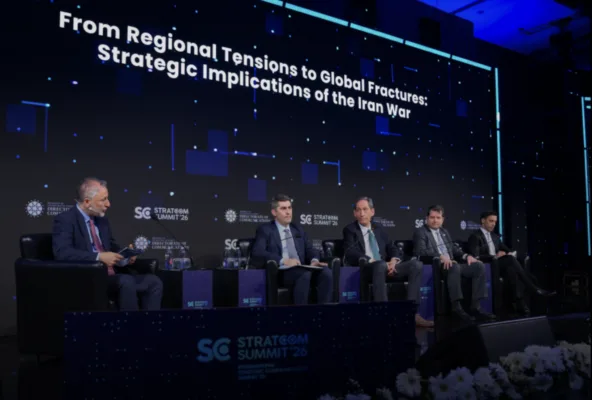
    • “Strategic Implications of the Iran War” panel...
      March 30, 2026
    • ‘Any Given Sunday’: The clash of nationalism and multiculturalism...
      February 11, 2026
    • America’s Search for a Grand Strategy
      January 2, 2026
    • Türkiye Messages From the Trump-Netanyahu Press Conference
      December 30, 2025
    • A Window of Opportunity in Türkiye-U.S. Relations
      December 19, 2025
    • The End of the American Century? Interdependence, Soft...
      June 9, 2025
    • Trump-Netanyahu Relationship Takes a Turn for the Worse
      May 30, 2025
    • Why Is Trump Bypassing Israel?
      May 30, 2025
    • Israel’s plan to involve the United States in the occupation...
      May 30, 2025

  • Washington Gündemi

    • Palantir’den Tepki Çeken “Manifesto”  
      April 24, 2026
    • Seçim Bölgeleri Üzerinden İktidar Yarışı
      April 24, 2026
    • İsrail-Lübnan Ateşkesi Üç Hafta Uzatıldı
      April 24, 2026
    • İran’la Yeni Anlaşma
      April 24, 2026
    • ABD Ucuz Drone Üretimi İçin Alternatif Arıyor
      April 17, 2026
    • Papa- Trump Kavgası 
      April 17, 2026
    • ABD, Rusya’ya Tanınan Petrol Muafiyetini Kaldırdı
      April 17, 2026
    • ABD-İran Müzakereleri Devam Ediyor
      April 17, 2026
    • İran Savaşı’nın Ara Seçimlere Etkisi 
      April 10, 2026
    • Adalet Bakanı Bondi Görevden Alındı
      April 10, 2026


Stay Updated


© Copyright 2018-2022 SETA Foundation at Washington DC
Press enter/return to begin your search