Ankara-Cairo relations in the changing Middle East
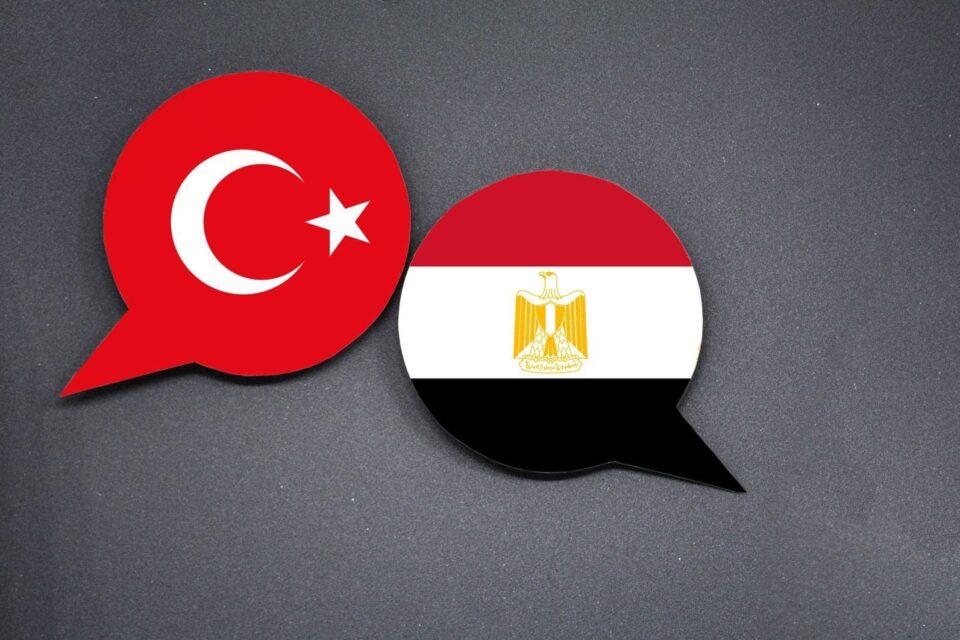
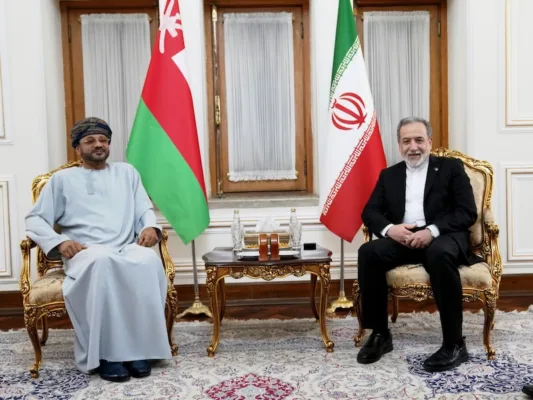
It is time for everyone in the Middle East to make a new strategic assessment. Foreign Minister Mevlüt Çavuşoğlu announced last Friday that Turkey had made “diplomatic contact” with Egypt.
That statement suggests that the ongoing talks between the Turkish and Egyptian intelligence services have led to a mutually agreeable strategy. If Turkey, which already has a maritime delimitation agreement with Libya, concludes a similar treaty with Egypt, Greece’s maximalist demands will be dead in the water.
Overall, Athens’ unreasonable demands have the potential to hurt the interests of Turkey, Libya, Egypt, Israel, Lebanon and Palestine.
Moreover, a fair allocation of Eastern Mediterranean resources would de-escalate tensions between Turkey and Greece, as well as Turkey and the European Union.
To be clear, resuming diplomacy is also good news for Egypt: Troubled by economic collapse and tensions over control of the Nile, Cairo needs a success story to tell at home.
A diplomatic reset
The pursuit of normalization with Egypt is a continuation of Ankara’s existing commitment to resetting its relationship with the United States and the EU. Repairing relations with Saudi Arabia, the United Arab Emirates (UAE) and Israel, is also on the table.
All of these steps must be seen as parts of a new strategic assessment, against the backdrop of fast-paced regional and global changes.
For the record, Turkey’s actions aren’t motivated by desperation or a reversal of wrong policy choices. Instead, the country aims to cement what it has gained over the last four years – in Syria, Libya, the Eastern Mediterranean and even Nagorno-Karabakh.
Turkey seeks to seize fresh opportunities, arising out of changing regional and global dynamics, thanks to those earlier accomplishments.
Some wonder why Turkey didn’t pursue normalization earlier. The answer is that its counterparts were not ready to move on. Timing is crucial when it comes to repairing strained relations.
Turkey would have had to make major concessions to repair its relations with Cairo, Riyadh, Tel Aviv or Abu Dhabi during the Donald Trump presidency – the heyday of Gulf-Israel rapprochement.
By contrast, it is easier for the Turks to move forward, having demonstrated their power on the ground, by isolating problem areas and focusing on mutual interests.
Tehran, Tel Aviv on move
Iran and Israel will play an active role in the realignment of players in the Middle East. Tehran successfully resisted the Trump administration’s “maximum pressure” and maintained its clout over Palestine, Lebanon, Syria, Iraq and Yemen. The Iranians thus dodged attacks by the Arab-Israeli bloc.
The Gulf, by contrast, is divided. In light of Trump’s departure, it became clear that American weapons were not enough to defend oneself against Iranian proxies. Judging by the Iranian leader’s statements, the country does not intend to stop spreading Shiite ideology, nor abandon its proxies and ballistic missiles.
If anything, Tehran may be overly encouraged by Washington’s potential de-escalation and the Gulf’s lack of focus.
Indeed, Egypt’s “diplomatic contacts” with Turkey must be viewed as part of a broader change in how the UAE and Saudi Arabia (and even Israel) approach the Turks.
Iran’s geopolitical interests will face multiple challenges if the Gulf aborts its attempt to contain Turkey.
Let us also take note of the Russian foreign minister’s trips to Riyadh, Abu Dhabi and Doha – it is clear Moscow is eyeing fresh opportunities as the Gulf weakens.
Moving closer to Greece and the Gulf over the last four years, Tel Aviv wasn’t motivated to pursue normalization with Ankara. It did not want to place the emerging bloc in the Eastern Mediterranean at risk either.
Nowadays, as regional players realign, Tel Aviv, too, is revising its position. The fact that Israel’s energy minister talked about Turkey’s inclusion in the EastMed Gas Forum supports that claim.
The Abraham Accords, too, are a done deal. Seeing that Iran’s containment will be much more difficult under the Joe Biden administration (together with the divided Gulf), Tel Aviv may want to concentrate on repairing its relations with Ankara after this month’s election.
Obviously, Turkey wouldn’t undermine Palestinian interests (or the Jerusalem cause) for the sake of normalization.
This article was first published by Daily Sabah on March 16, 2021.