Trump’s Ukraine “peace” plan
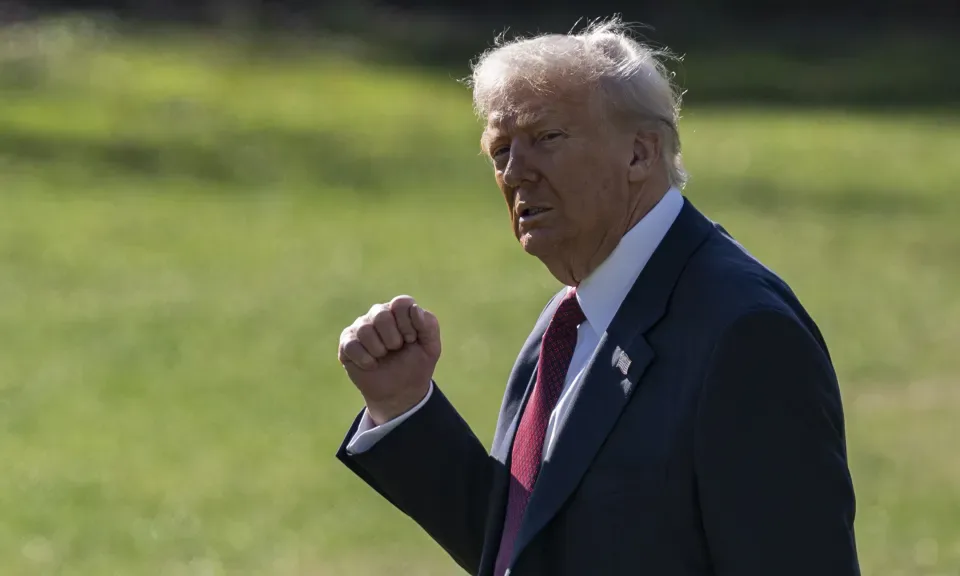
The White House’s 28-article peace plan, by incorporating nearly all of Russia’s key demands, looks less like a peace plan and more like a call to “surrender.” The plan not only envisions broad recognition of Russia’s gains along the front line, but also imposes limits on Ukraine’s military capacity. Making Ukraine’s NATO membership impossible—and even blocking it from hosting any NATO base in the future—the plan dictates concessions that undermine Ukraine’s sovereignty. Ukrainian President Zelensky’s comment that they are being forced to choose “between losing their national dignity or losing a critical partner” summarizes how deeply the plan is shaped around Moscow’s wishes. Put forward at a moment when Ukraine is grappling with corruption scandals and Russian advances on the battlefield, the Trump administration’s proposal requires no meaningful concessions or costs from Moscow. In its announced form, the plan amounts to Ukraine’s capitulation and Russia’s victory.
MEANINGFUL TIMING
Before being elected for his second term, Trump claimed he could end the Ukraine war within days. Openly signaling a willingness to recognize some of Russia’s gains, Trump had previously shifted the burden of aid to Europe and created the infamous White House meeting scandal with Zelensky. When ties between Washington and Kyiv were strained, a mining agreement involving critical minerals—some located under Russian occupation—briefly restored positive momentum in Trump–Zelensky relations. Continued U.S. weapons supply funded by Europe, and the prospect of American companies operating Ukraine’s critical mineral sites, aligned well with Trump’s “America First” vision. But Trump wanted more than that—he wanted to be the leader who ended the war, even inviting Putin to Alaska to show it. When Putin refused to move toward any concrete deal, Trump drifted back toward Europe’s and Ukraine’s positions. His sudden return to a stance prioritizing Russia now raises questions about the timing of this peace plan.
Using a threatening tone toward Putin, Trump had said he could give Ukraine advanced weapons systems to force Russia to the table. It didn’t take much for Moscow to see that these threats were hollow, since Washington—under Biden—had preferred to manage the war rather than aim to win it. Despite heavy human and financial costs, Putin has held onto his maximalist demands and built a strategy that shields Russian society from pressure to end the war. In other words, Moscow feels no internal urgency and believes that grinding down the conflict will eventually secure its objectives. Trump’s peace plan signals that he has abandoned any intention of upsetting these calculations. Centered on accepting Russia’s demands and, if necessary, imposing them on Ukraine, the plan might end the war—but includes nothing that would prevent it from restarting. By giving Ukraine a deadline until Thanksgiving to accept what is essentially a surrender document, Trump appears focused on entering the new year as the man who “ended the war,” heading toward the November 2026 midterms having fulfilled his promise.
A DRAMATIC BREAK
Statements from Ukraine, Europe, and several Republican senators suggest the “peace” plan could be modified in Kyiv’s favor, but it is clear the Trump administration will not insist on any change Russia would reject. Designed around the idea that Ukraine must face realities, the plan shows once again that America is stepping back from leading the West politically. This approach—which disregards Ukraine’s sovereignty, ignores whether the peace is honorable, and rewards Russia’s invasion by normalizing it—reflects a dramatic break in Washington’s role as the sponsor of Europe’s security architecture. Presenting Russia’s victory narrative as a “peace plan” will, in the coming years, trigger more conflict in Europe rather than bring peace. The belief that granting Russia’s demands will end the war and produce a lasting peace stems primarily from Trump’s desire to notch a political success by declaring peace. For Trump, the lasting quality of peace matters far less than the political credit he gains from announcing it.
While the U.S. simultaneously confronts China and Russia in a great-power contest, allowing Russia to dictate terms in one of the most critical flashpoints—Ukraine—once again demonstrates Washington’s retreat from global leadership. A worldview that focuses solely on narrow U.S. interests, separate from Europe’s security, now dominates Washington. Ukrainian dignity and Europe’s stability are being sacrificed to Russia’s maximalist demands. Even if many of the 28 articles were rewritten, Trump fundamentally believes there will be no peace unless Russia gets what it wants—and he intends to act accordingly. Though he is willing to show flexibility, he will not permit any change that would prevent Russia from signing the deal. This leaves Ukraine facing Zelensky’s choice: sacrifice “national dignity,” or continue the war without America. Regardless of Ukraine’s decision, the Trump administration will go down in history as the one that accepted all of Moscow’s demands.
Yeni Safak / November 26, 2025
You may also like