Turkey, Iran and Public Opinion
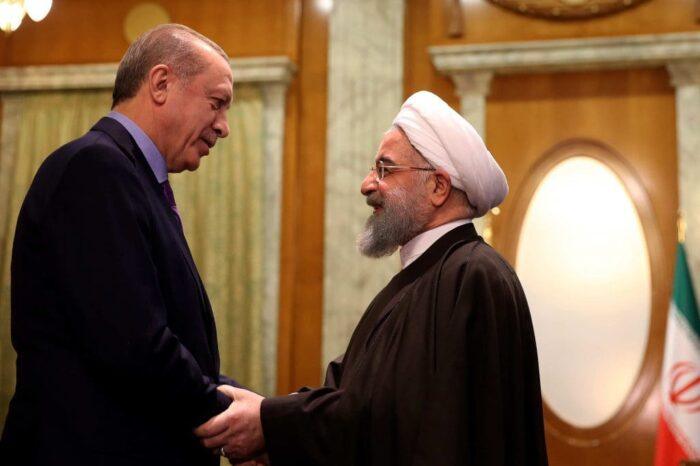
Currently, one of the most important areas of debate in Turkish foreign policy concerns relations with Iran. For decades, the nature of relations between the two countries was considered a form of contained tension. Contained in the sense that they enjoyed one of the most stable borders in the Middle East, but tense in that they have serious disagreements on several issues. Until recently, most of these disagreements and tensions took place in bilateral relations. However, starting from the U.S. invasion of Iraq and increasing after the start of the Arab Spring, the relations gained a different dimension. In addition to bilateral relations, they started to talk about regional developments and issues, which started to have significant repercussions, not only in relations, but in regional politics as well.
While Iran’s regional ambitions and increasing involvement in Middle Eastern countries is a great obstacle to building on Turkish-Iranian relations, policymakers should not underestimate the importance of energy and economic relations between the two countries.
Several factors in the near future will influence these newly modifying relations between Turkey and Iran. One of the most significant challenges will be Iran’s regional ambitions and its increasing involvement in the politics of Middle Eastern countries, such as Syria, Iraq and Yemen. In particular, since the beginning of the conflict in Syria, the Iranian government has been more actively and overtly presenting this new role to regional actors and the international community. It is not clear how this policy can be prevented from impacting bilateral relations with Turkey. So far, both countries have been careful to compartmentalize their relations and not let regional disputes negatively impact bilateral ties. The stabilizing role of energy and an increasing trade volume were regarded as possible bulwarks to prevent a spillover into bilateral relations. However, Iran’s increasing military engagement in the Syrian civil war and the resulting humanitarian cost is generating increasing pressure on its relations with Turkey. One of the most defining characteristics of the last decade was the relatively favorable opinion the Turkish public had about Iran compared to previously. This public opinion also helped policymakers develop a functioning, working relationship. However, due to developments in Syria, the Turkish public’s negative reaction to Iran is increasing rapidly. Despite the private sector’s increasing role in bilateral economic relations and the resulting potential economic gains for the two countries, public opinion in Turkey can play a more consequential role in the nature of relations. If Iran’s policies in the region continue as they are, we may see increasing pressure from the Turkish public over their country’s foreign policy makers. While the compartmentalization of relations has been effective so far, Turkish people are more attentive to foreign relations, and the situation right now does not help policymakers maintain the status quo regarding relations with Iran. It may even have some other repercussions. For instance, especially since the Iranian nuclear deal, public skepticism about Iranian goals started to impact, at least peripherally, the public opinion on the U.S. as well.
It is not clear at this point how this problem will be resolved, and the role of energy and economy should not be underestimated, but there will be significant challenges for policymakers to be sure.
This article was first published in Daily Sabah on June 6, 2016.
You may also like