US has no vision to challenge regional dynamics
Biden’s visit to the Middle East comes at a time when regional actors are reaching out to each other to reconcile their differences. The trip is unlikely to change the broader US retrenchment in the region, despite Biden’s vow to launch a “new and more promising chapter of America’s engagement there”.
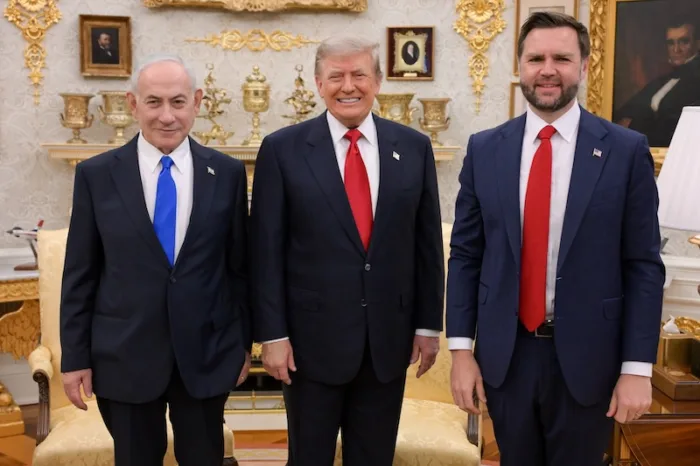
Biden touts the absence of American combat missions in the region, the diplomatic isolation of Iran, the relative calm in Yemen, and the prevention of a larger war in Gaza as accomplishments on his watch. Defending his decision to visit Saudi Arabia, Biden argues that he never advocated for a “rupture”, but rather for a reorientation of relations. The visit is clearly meant to reassure regional allies, without offering a new vision for US policy in the region.
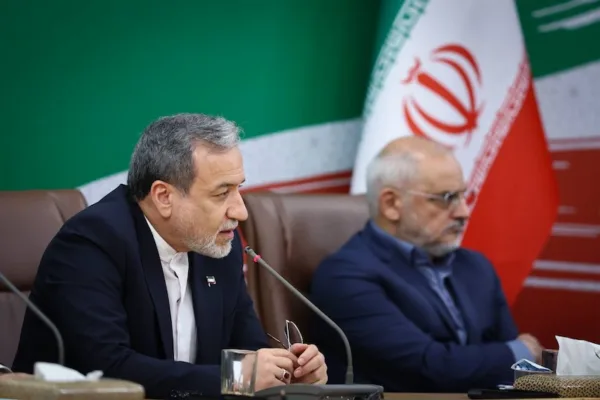
Middle East powers have already started adjusting to US retrenchment, amid the country’s focus on extricating itself from regional conflicts. Their main challenge has been to find a solution to the Iran nuclear standoff, but the inconsistent policies between successive US administrations have made that impossible so far – a situation that has significantly fuelled regional tensions.
Yet, while the US says it has been aiming to reduce its regional footprint, it remains a key actor on multiple issues, including the Iran nuclear file, Iraqi politics, countering the Islamic State in Iraq and Syria, and the Yemen war, among others.
In many ways, US policy continues to matter – and regional players have had to make their calculations accordingly. Meanwhile, Russia and China have sought to increase their influence in the region, pushing regional powers to seek a balancing act.
Players such as Turkey will continue to balance western powers against each other, while developing intra-regional relations
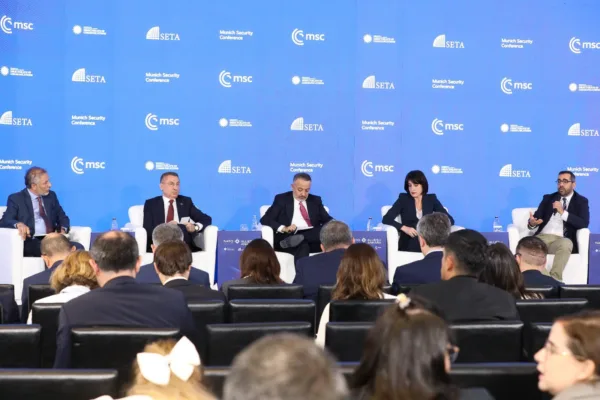
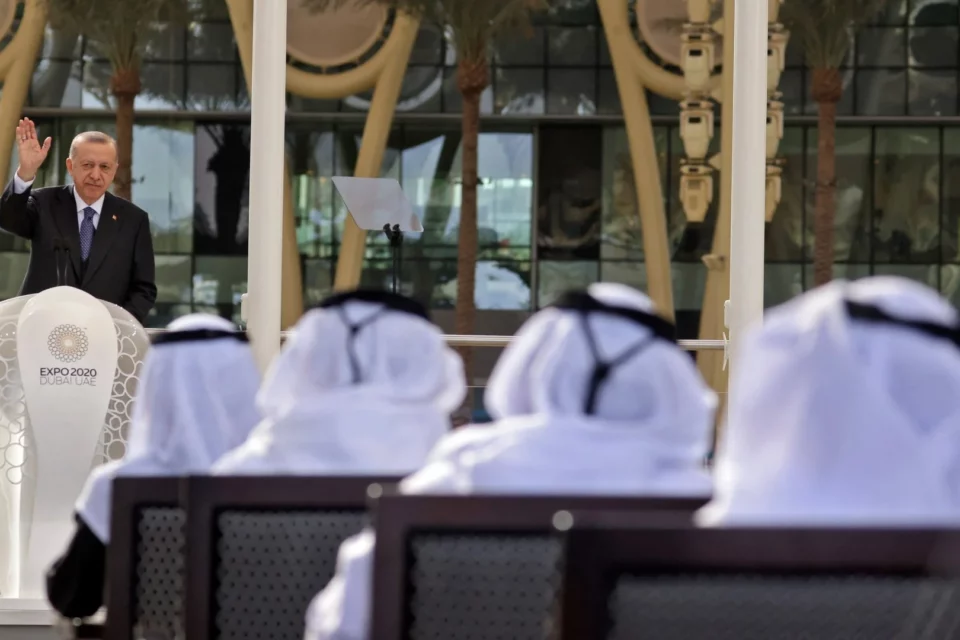
Turkey, for its part, has been seeking to maintain relations with western powers, improve relations with regional powers, and get directly involved when its interests are at stake. This posture is unlikely to change anytime soon.
One persistent aspect of Turkish foreign policy in the Middle East is its commitment to stability and predictability. A stable environment allows Turkish trade to increase and diplomatic relations to develop, serving its national interests. If Biden’s visit is seen as contributing to regional stability, this would be welcome in Ankara.
Turkey’s recent openings with the UAE, Saudi Arabia and Israel have aimed to repair bilateral relations and bolster regional stability. At the same time, Turkey wants to avoid isolating Iran, while also competing with it on multiple fronts.
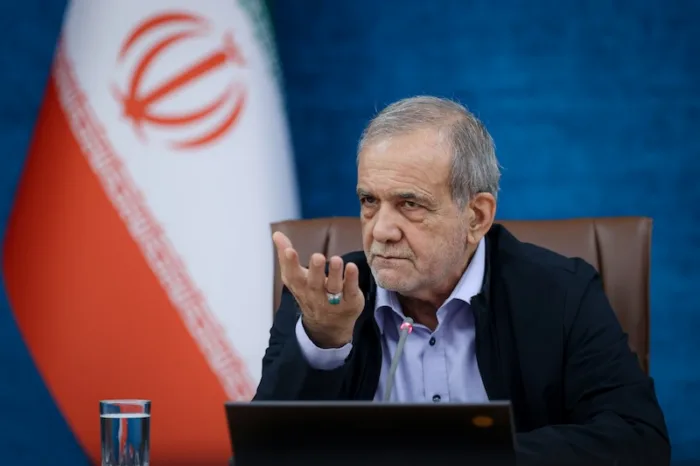
Biden likely missed an opportunity by not returning to the Iran nuclear deal immediately after assuming the presidency, and he is now struggling to strike a deal with a somewhat disinterested and demanding Tehran. Turkey would prefer a diplomatic solution through a new nuclear deal, which could generate regional buy-in.
On the issue of Russia and China, Biden’s promise to unify the western alliance in the face of such adversaries has had some successes but also some failures. While the West has broadly united against Russia, such a united front has not yet been forged against China.
When it comes to the Middle East, there is little indication that there exists such a broad perspective. In a difficult and complicated region, such a comprehensive vision might be impossible. Yet, with or without a fully developed strategic vision from Washington, regional players such as Turkey will continue to balance western powers against each other, while developing intra-regional relations to further their national interests.
Middle East Eye, July 13, 2022
You may also like