The Legacy of the July 15 Coup Attempt on Civil-Military and US-Turkey Relations
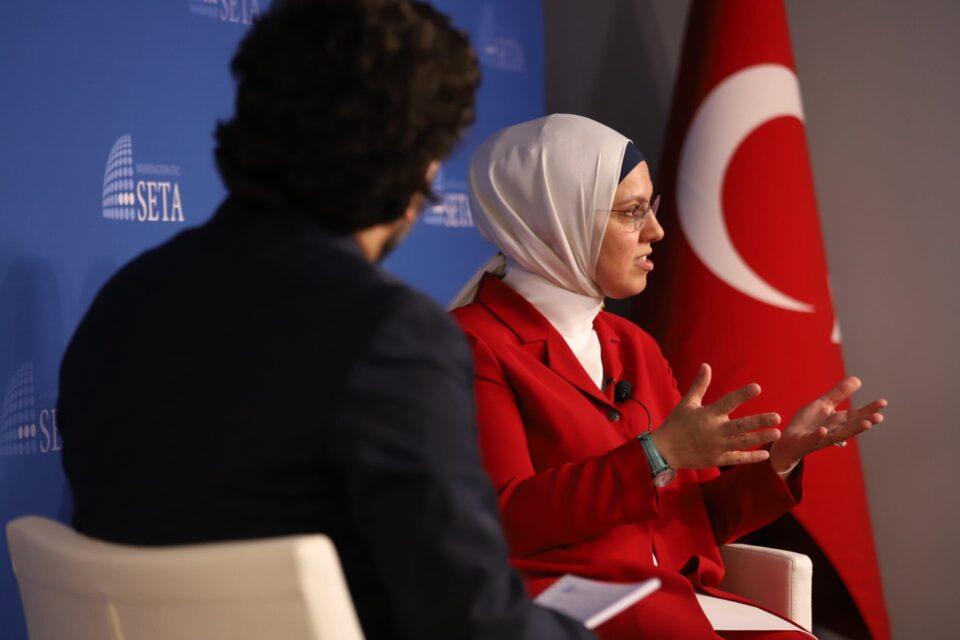
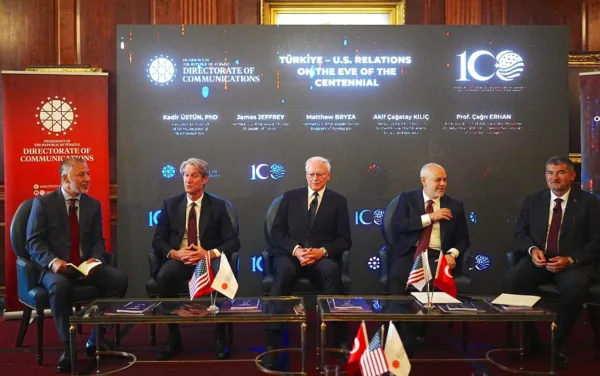
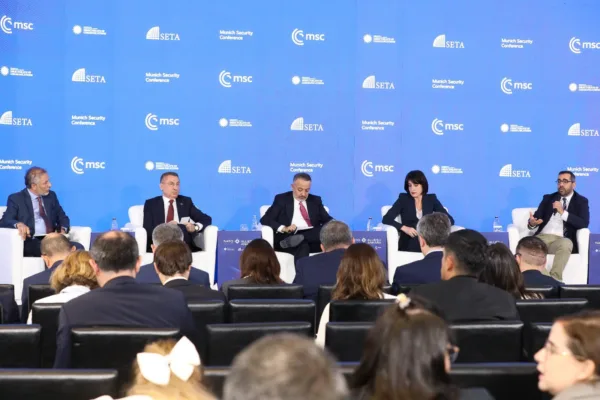
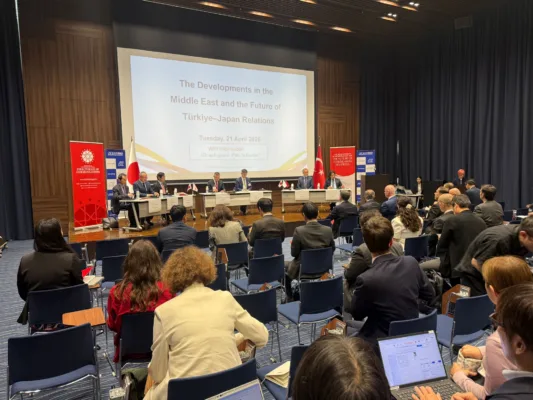
On July 16, the SETA Foundation at Washington D.C. hosted an event titled “The Legacy of the July 15 Coup Attempt on Civil-Military and US-Turkey Relations.” The event discussed the coup and the changes Turkey has made to its government and military since the coup and its impact on US-Turkey relations. A keynote address and two panels occurred during the event.
The first panel’s speakers included Sener Akturk, Associate Professor at Koc University Department of International Relations; Edward Erickson, Scholar-in-Residence in the Clark Center for Global Engagement at State University of New York at Cortland; and Mark Perry, Author and Foreign Policy Analyst. The first panel was moderated by Kadir Ustun, Executive Director at the SETA Foundation at Washington D.C.
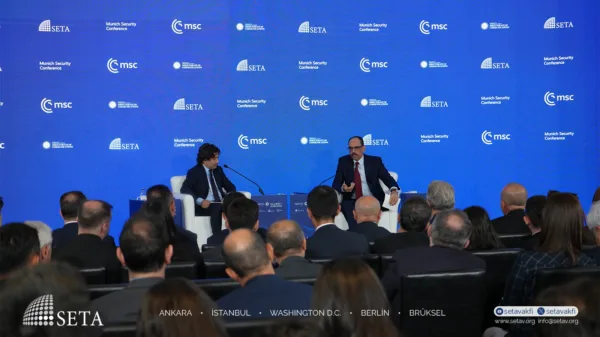
Dr. Ravza Kavacki Kan, Deputy Chairperson of the AK Party delivered the keynote address. The second panel included Mark Kimmitt, Defense Consultant at MTK Defense Consultants; Richard Outzen, Senior US Army Advisor and Member of the Policy Planning Staff at the US Department of State; and Kadir Ustun, Executive Director at the SETA Foundation at Washington DC. Kilic B. Kanat, Research Director at the SETA Foundation at Washington D.C., moderated the panel.
Sener Akturk provided a brief synopsis of the two totalitarian assaults Turkey faced between July 2015 and July 2016. He argued that both the PKK and Gulenists faced existential threats as a result of Turkey’s democratization, thus influencing them to conduct attacks on Turkey. Discussing the military, Akturk stated that US-Turkey relations have suffered because Turkey has internal threats and the US interferes with international security threats through proxies.
Edward Erickson contended that Turkey is headed in the right direction. He stated that the military used to interfere with policy decisions and that Turkey needed to change its domestic direction. He noted that the general staff is younger now and more diverse in background and education, which he claimed helped with the transition of government and movement to the system it has since the coup occurred.
Mark Perry provided background on how the US gained civilian control over the military. He then noted that the Turkish military has not always represented Turks. He argued that Turkey is a modern country and that they do not need coup attempts in society anymore. He agreed with the other panelists about a coup threshold and contended that the 1980 coup made the threshold of the 2015 coup possible.
Dr. Ravza Kavakci Kan then provided the keynote address. She provided a detailed recount of the events that happened during the coup attempt. She highlighted the efforts of the civilians to fight against the coup attempt, noting that Turks redefined what fighting for democracy meant. She spoke about the policies that went into effect after the coup, mentioning that the state of emergency may be lifted in the near future.
Mark Kimmitt began the second panel. He noted that the security partnership between the US and Turkey is a set of conditions from which both sides benefit. He stated that the relationship is first and foremost about Turkey’s geography, with neighbors including the Caucasus region, Iran, Iraq, and Syria. He touched on NATO concerns as well, citing tensions due to Trump’s push for countries to live up to their commitments.
Rich Outzen then spoke, stating that security has always been at the heart of the US-Turkey partnership. He contended this is good because there is a common threat prioritization, however, he noted the negative aspect, as other features of the partnership are subordinate to security concerns. He also argued that alignment in policies will strengthen as the Syrian crisis dies down. Furthermore, he discussed that Americans do not know how to understand the coup, thus challenging the ability for Americans to visualize similar threats.
Kadir Ustun finished the panel discussion by further elaborating on security concerns. He mentioned that Turkey’s geography is important and that it has uniquely challenged Turkey through a variety of security issues and concerns. Kadir also provided the Turkish perception on the US’s reaction to the coup, noting that Turks viewed the US’s reaction as weak and that the US was waiting to see exactly what would happen.
The Legacy Of The July 15 Coup Attempt On Civil-Military And US-Turkey Relations

You may also like