New opportunity to revive Türkiye-West relations
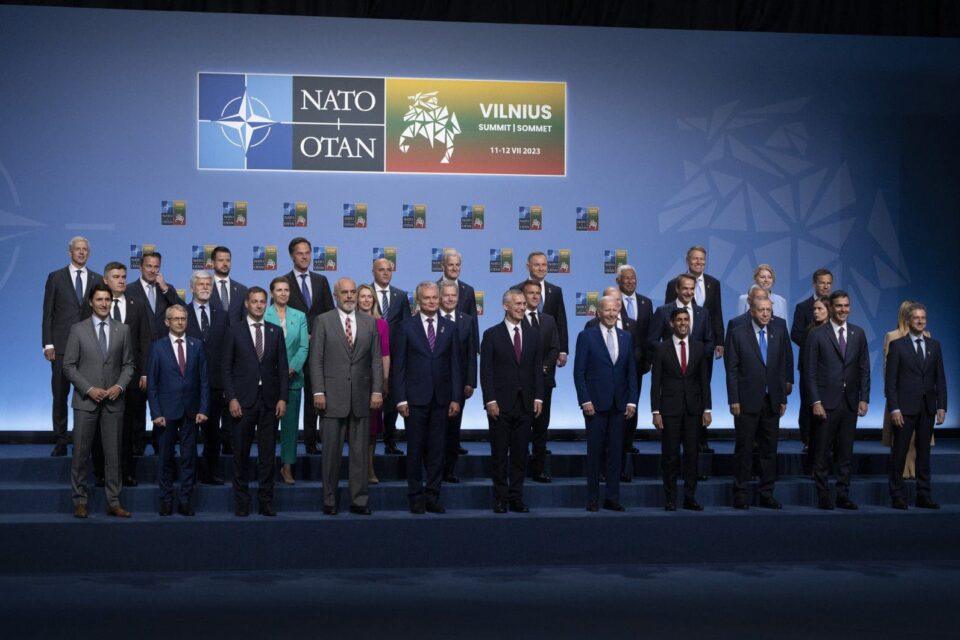
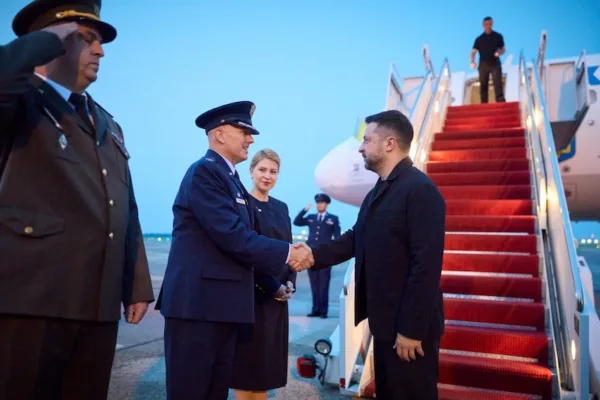
President Recep Tayyip Erdoğan turned the question of Sweden’s NATO membership into an opportunity to start a new chapter in Türkiye’s relations with the West. Having hosted his Ukrainian counterpart, Volodymyr Zelensky, in Istanbul ahead of the Vilnius summit and stating that Ukraine deserved to join the alliance, Erdoğan brought up the need to remove obstacles before his country’s European Union membership.
Following a meeting with NATO’s secretary-general and the Swedish prime minister, Erdoğan gave the green light to Sweden – provided that the country would present a timeline for keeping the promises it made at the Madrid summit. In his meetings with European Union leaders, he talked about jumpstarting Türkiye’s accession process, including visa liberalization and updating the Customs Union.
The president’s meeting with U.S. President Joe Biden lasted 75 minutes and facilitated a new level of engagement between the two leaders besides the strategic mechanism and the sale of F-16 fighter jets.
Is Türkiye moving away from Russia?
Altogether, the positive atmosphere in Vilnius, Erdoğan’s bilateral meetings, and Joe Biden and others thanking the president created a new opportunity for Türkiye’s relations with the West and raised questions about the future of Turkish-Russian relations. Singing Erdoğan’s praises, the Western media promptly commented that Türkiye was moving away from Russia or turning to the West.
It was already obvious that Türkiye did not oppose NATO’s enlargement – also known as the open door policy. It took a full year for Sweden to get the approval due to Stockholm’s shortcomings regarding the fight against terrorism. Going forward, the country will have to present a timeline and take concrete steps for the Turkish Parliament to sign off on its NATO membership. Here’s what President Erdoğan told a group of journalists, including myself, on his flight back home: “There are concrete steps to be taken regarding their promises such as terminating the activities of terrorist groups and the extradition of terrorists. In exchange for the EU’s positive steps, we shall start working on keeping our promises.”
What Erdoğan did at the Vilnius summit created a major window of opportunity for Türkiye’s relations with the United States and the EU. Despite Ankara’s enthusiasm, whether the U.S. and the EU will seize this opportunity shall determine if a new chapter has begun. There are many reasons why a new chapter should begin, but the Western alliance needs to come to terms with the reality of the new Türkiye. President Erdoğan’s response to Joe Biden’s social media post encapsulated the meaning of that term: “We will maintain a constructive attitude as long as Türkiye’s legitimate security concerns and regional and global initiatives, which are shaped by the win-win principle, are taken into consideration.”
Türkiye cares about consolidating its position within the Western alliance and its various bilateral and regional cooperations. That is why its attempt to revive its relations with the U.S. and the EU does not necessarily signal its intention to distance itself from Russia. This new chapter with the West does not need to be formulated in a way that could hurt Russian interests. Indeed, Türkiye does not intend to abandon its policy of active balancing and mediation between Ukraine and Russia. There is reason to expect the Turkish leader to take steps to strengthen Turkish-Russian relations following his meeting with his Russian counterpart, Vladimir Putin.
Diplomacy runs on the interaction between multiple stakeholders. It is conducted within the framework of current conditions, new developments, vested interests and opportunities.