The Propaganda Offensive Hurts Russia
Current Russian propaganda campaign is hurting the bilateral relations and generating a major image problem for Russia.
The actions of Russia against Turkey in the period since the downing of a Russian military jet by the Turkish Armed Forces – following its violation of Turkish air space after numerous warnings – have become reminiscent of Hollywood movies in which the character with “not-so-good” intentions accidentally reveals his true face at the end of the movie. The image the character tried to portray throughout the movie collapses when they cannot stop themselves, and do or say something that will destroy all of his or her plans. Up until that point, it is difficult to imagine those kind of actions from him or her.
Since the beginning of the crisis between Turkey and Russia two weeks ago, the Russian administration has launched a major propaganda campaign against Turkey that has shocked not only the government and Turkish society but also the international community. Despite the leaders of both countries met multiple times this year, and the growing economic relations between the two countries and the two countries deciding to cooperate on significant strategic areas including nuclear energy and a new energy corridor, the general public has had to suffer a burst of anger and insults from the Russian media. In the first couple of days, the public thought the reaction was from ultra-nationalist groups in Russia. However, this looks like wishful thinking. In the following days it began taking place in more mainstream media. In addition to the increasing tone and extent of the propaganda campaign, what shocked the public was the Russian media’s level of preparedness in its discourse and instruments that are ready to start a major propaganda offensive against a neighboring country. The conspiracy theories and the allegations were simply overwhelming.
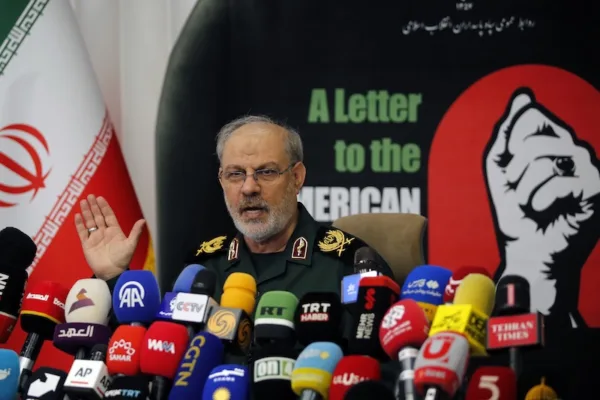
This media campaign did not end the Russian administration’s offensive. This week, high level officials began organizing press conferences in order to present evidence for their allegations about Turkey. In a few hours after their press conference, almost all the evidence presented during the press conference was proven wrong, first by experts and then the allegations were denied by countries around the world, including the U.S. However, the discourse did not change one bit. Russian embassies around the world, which joined this campaign by presenting caricatures that belong to the World War I-era, circulated pictures and posters repeating these claims, trying to defame Turkey.
Now the question is, how long has the Russian media and the government prepared to attack Turkey? How long did it take them to prepare this propaganda? If they really believed in those allegations, why did they hide them until the emergence of a crisis? Does Russia have similar files prepared against other countries as well?
These are the questions asked not only by the Turkish public but also by the larger international community. The crisis between Russia and Turkey hurts both countries at the same time, and both societies want a quick resolution of the problems and normalization of relations. However, the current propaganda campaign employed by the Russian media and the Russian government is hurting more than just the relations between the two countries. It generates a major image problem for Russia and further shakes the trust of the other countries toward the Russian government.
This article was first published in the Daily Sabah on December 5, 2015.
You may also like