We are out of ‘metus hostilis’ but still have Macron to unite us
Sallust, a Roman historian and a contemporary of Julius Ceasar was popularized in writings on contemporary international relations after the end of the Cold War. Those who connect the works and writings by him to the evolving international order mostly used the concept of “metus hostilis,” the fear of an enemy. Sallust in his writings stated that a lack of common enemy can be detrimental for the unity and integrity of the state. According to him, the destruction of Rome’s rival Carthage brought significant domestic discord for Rome.
For students of contemporary international relations and world politics, the period after the end of the Cold War was a challenge for the Western bloc in the aftermath of the fall and dissolution of the Soviet Union. What kept the transatlantic alliance together for more than 40 years had been the existence of a common enemy and threat for member countries. Article 5 of NATO was a sacrosanct pillar for Western nations, the biggest deterrent against potential Soviet aggression for them.
With the end of Soviet control in the Eastern hemisphere and the dissolving of the “Evil Empire,” the alliance now faced the most unconventional threat since its founding in the aftermath of World War II. Once considered the most powerful alliance of history, the organization had a significant objective of finding a common purpose and common threat perception for all member countries. Since then this problem has been a soft underbelly of NATO.
Numerous analyses and reports were written citing this obvious challenge for the alliance. Although NATO itself tried to address this problem by emphasizing the need for such a framework and time and again emphasized different issues as potentially shared goals of the alliance, it did not generate the much needed internal cohesion within the organization. Thus the organization failed to address the security challenges of some of its member states when they needed active support from fellow members. In the meantime, the alliance’s policy toward some emerging threats, such as terrorism, was much criticized by the countries that faced this threat.
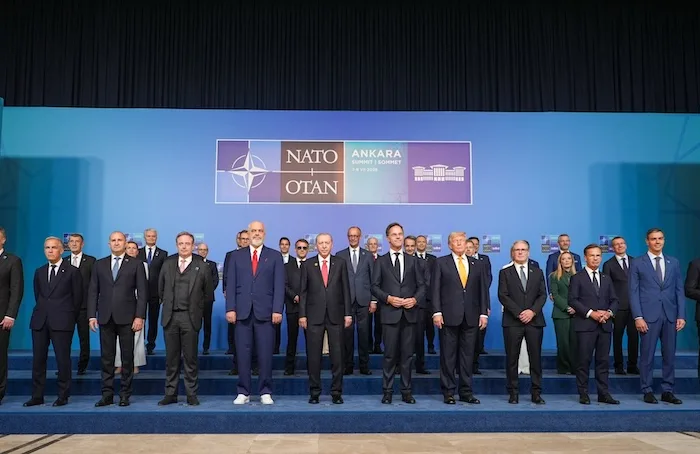
In fact, before every summit of the leaders of the member countries, the debate about the relevance of NATO, the lack of a common purpose and threat perceptions were re-asserted by analysts as the most significant problem of the organization. The leaders’ summit of NATO convened last week in London was not an exception. Weeks before the meeting, many once again stated that NATO at 70, faced this incredible challenge and member countries had to face it.
However, somehow a summit that was expected to have some tensions due to the significant differences of opinions among some member countries did not result in many controversies. It is not a “metus hostilis” that was agreed upon by the member countries at this point. There was still disagreement on the common threat and how much it is posed to different countries. However, there was a shared will among the member countries to continue this alliance, which has been openly stated for the last 28 years since the end of the Cold War.
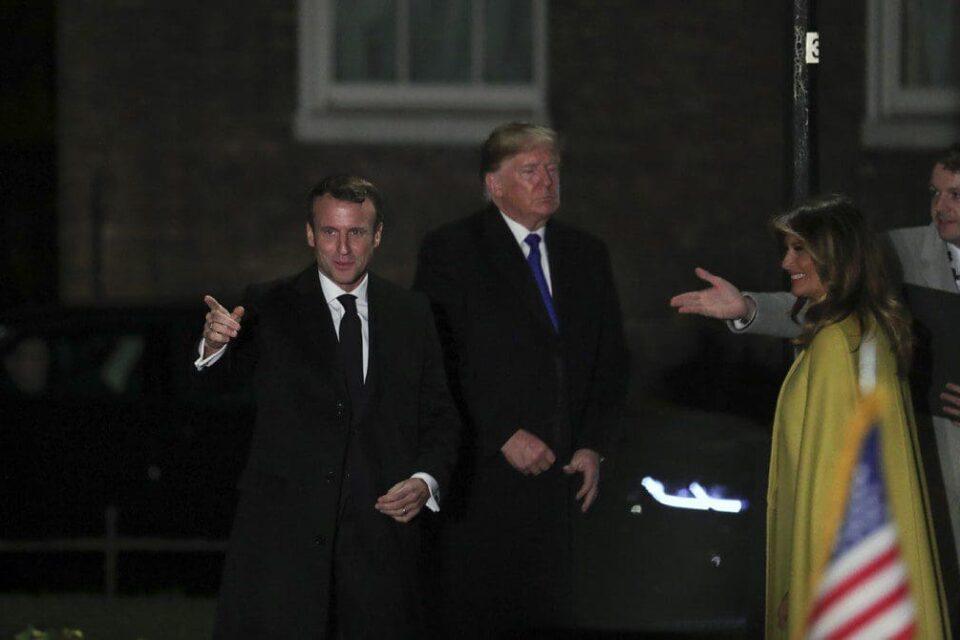
The transatlantic alliance this time found a temporary solution for this existing problem. The alliance did not find it, but rather, one of the member countries presented it. President Emmanuel Macron of France, days before the summit called NATO “brain dead.” This attack on the alliance from within did not generate internal discord but a spirit of unity among member countries. Instead of providing a shadow over the summit, Macron’s statement eliminated the dark clouds over the alliance. The leaders of other member countries made statements harshly criticizing Macron and his attack on NATO. It even made President Trump, whose skepticism about NATO is well known, defend the organization. During the meeting, it was the most frequently asked question for the leaders of member countries, and every time the leaders responded by underlining the relevance and significance of the NATO for them.
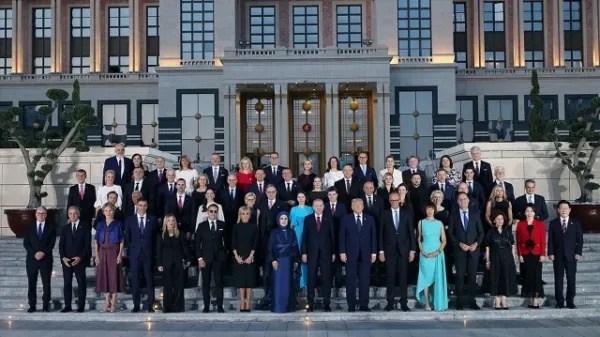
We still don’t know what Macron means and Macron may not even know why he said it. He enjoyed much-needed publicity before major strikes in his country though. For NATO, Macron’s statements, without him planning it, became common “nonsense” to the trash at the summit. Every leader was united in opposition to Macron and every leader stated how useless it was to attack an alliance a week before the summit and how absurd it was to not bring anything to the table to “revive” an alleged “brain dead” organization and then show up happily in the family picture. Yes, nobody was sure why he said it but everybody agreed that he was the unwanted relative crashing a family reunion.
This article was first published by Daily Sabah on December 9, 2019.
You may also like