The Khashoggi Affair: Implications of the U.S.-Turkey-Saudi Crisis
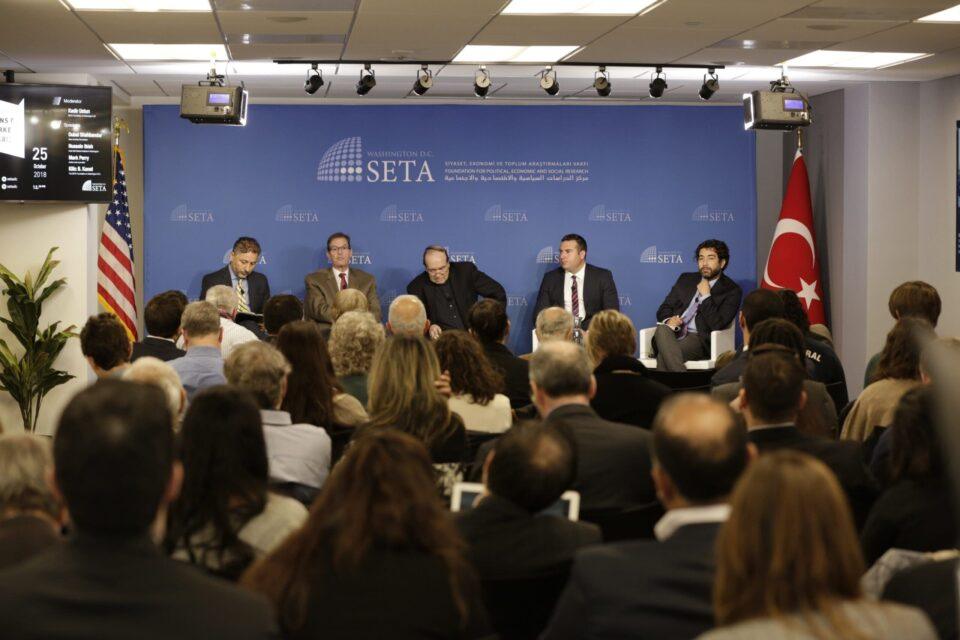
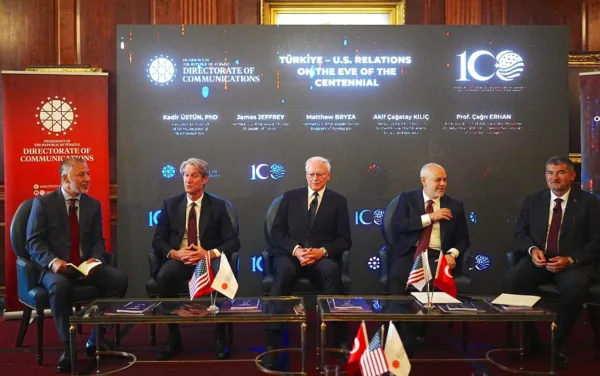
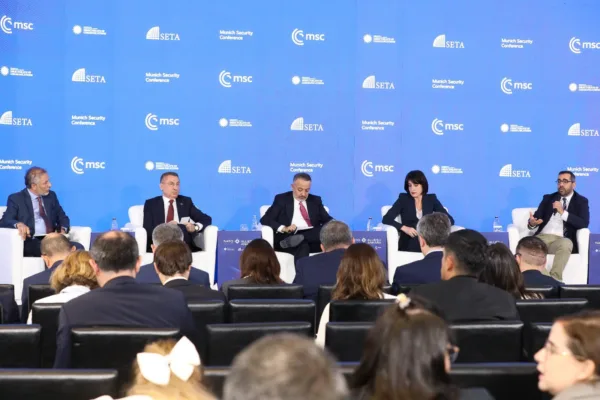
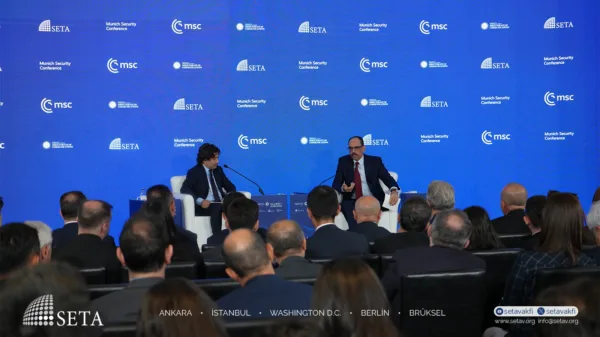
On October 25, 2018, the SETA Foundation at Washington D.C. hosted an event titled “The Khashoggi Affair: Implications of the U.S.-Turkey-Saudi Crisis.” The event discussed the paths forward and potential future trilateral relations between the U.S., Turkey, and Saudi Arabia. The panelists included Oubai Shahbandar, Fellow for the International Security Program at the New America Foundation; Hussein Ibish, Senior Resident Scholar at the Arab Gulf States Institute in Washington; Mark Perry, Author and Journalist; and Kilic B. Kanat, Research Director at the SETA Foundation at Washington D.C. Kadir Ustun, Executive Director at the SETA Foundation at Washington D.C., moderated the event.
Hussein Ibish contended that there have been signs that a deal was reached between the U.S., Turkey, and Saudi Arabia after the Khashoggi incident. Additionally, he argued that this incident presented an opportunity for Turkey to weaken a regional rival (Saudi Arabia) without creating an enemy or confrontation and to force the U.S. to engage in the aftermath. He concluded by stating that there are two things Turkey could ask for from Saudi Arabia. The first is assurance that there will be no Saudi Arabia retaliation and for Saudi Arabia to back off support for PKK-related YPG in Syria.
Kilic B. Kanat stated that Turkey did not want to be seen as a country where foreign governments can come and kill opposition figures and that Turkey did not want journalists to think that intelligence agencies could make them disappear in Istanbul. He commented that the Turkish public opinion is that this could be an embarrassment for the government if left unsolved. Kanat contended that there should be an international investigation over Khashoggi’s death and noted that Turkey could use intelligence support for the continued investigation.
Oubai Shahbandar commented on the military weapons relationship between the U.S. and Saudi Arabia, noting that no other country comes close to the size of weapons the Saudis get from the U.S. He opined that a total severance of relations between the U.S. and Saudi Arabia is highly unlikely, but stated that it is up to Congress to decide the next move. Shahbander added that there could be a pause on weapon transfers to Saudi Arabia, and argued this would be the loudest signal and action from the U.S.
Mark Perry addressed the things the U.S. can learn from the Khashoggi murder. The first is that the Saudi government is not competently run, noting the shock that Saudi Arabia believed they could get away with murder on foreign soil without being monitored. The second, he argued, is the U.S. foreign policy. He contended that the third thing to be learned is that the Arab Spring will come for Saudi Arabia, and he added that it will be awful. Perry opined that the critical response of President Trump is a result of a cumulative anger at Saudi Arabia.
The Khashoggi Affair: Implications Of The U.S.-Turkey-Saudi Crisis

You may also like