Why a return to war is looking more likely…
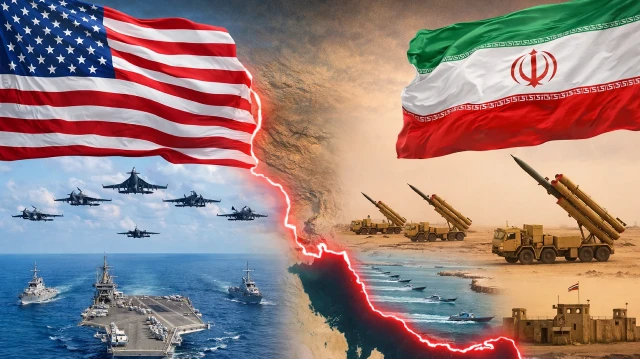
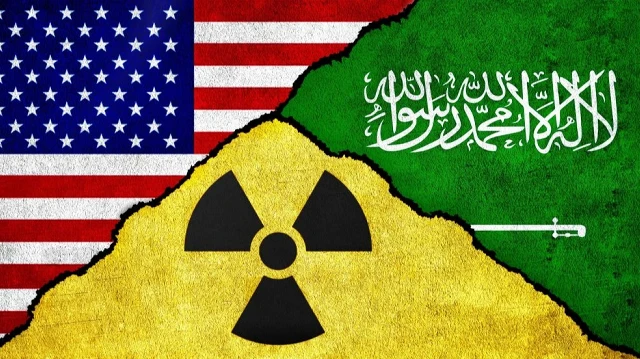
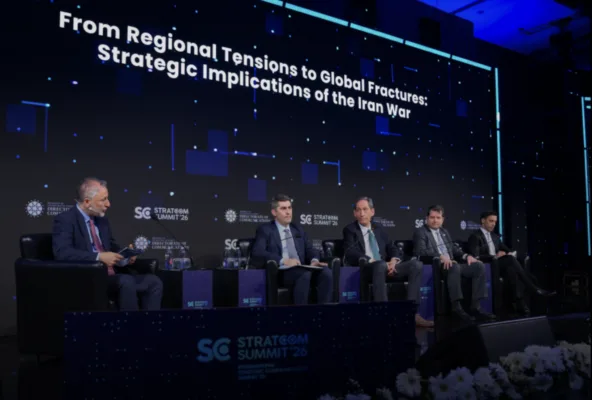
The deadlock in US-Iran negotiations, unlike before the war, comes not from the nuclear issue but from the focus on reopening the Strait of Hormuz. Today, the key issue is no longer the technical details of the nuclear program or uranium enrichment, but rather how much political and strategic control Iran will gain over the Gulf. The Trump administration entered the war aiming to destroy Iran’s nuclear and ballistic missile capabilities and, if possible, to change the regime, but although it achieved its tactical goals, it didn’t get the political outcome it wanted. So now, facing the possibility of the Strait falling under Iranian control, we see Trump moving closer to the option of returning to war. A renewed conflict would mean Washington falling into the trap of “mission creep,” while Tehran fights to have its dominance over the Strait recognized.
TOWARD A RETURN TO WAR
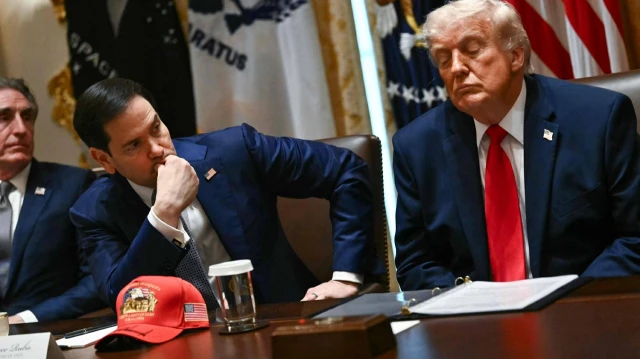
Although Trump’s harsh rejection of Iran’s latest offer looks at first like just a diplomatic failure, the real issue is that the regional order is being redefined. Washington insists that Iran give up its nuclear capability and reopen the Strait of Hormuz. In contrast, Iran’s maximalist demands—lifting sanctions, paying war reparations, and recognizing its control over the Strait—show that no deal is coming anytime soon. By prioritizing these demands and pushing nuclear talks further down the road, Iran is bringing both sides closer to a return to war.
This shows that for Iran, the bargaining has moved beyond mere regime survival. Where Iran once couldn’t go beyond rhetoric on demands like kicking the US out of the region, it can now bring those demands to the table. The JCPOA, signed by Obama and canceled by Trump, was reached after technical negotiations on centrifuges, uranium enrichment, and inspections. But the current talks rest on a much more political and strategic foundation: Trump wants total surrender, while Iran is determined to impose its view that “the Gulf cannot be secure without my approval.”
REACHING TOO FAR
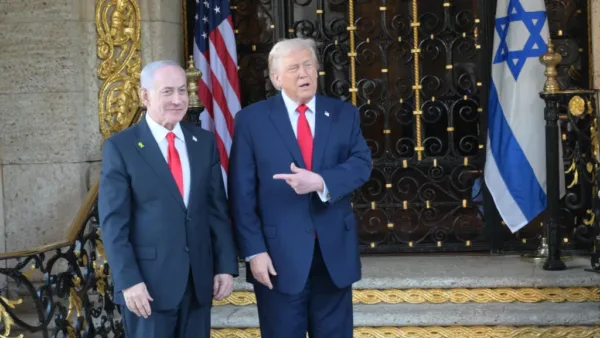
Trump let himself be pushed by Israeli pressure and manipulation, along with his own instinct for a show of force and a quick win. The result has been a shake-up of the long-standing order in the Strait of Hormuz—the very order he had helped secure for years. This has deeply shaken the confidence that Gulf countries, which rely on US protection, have in Washington. After the Strait was closed, Trump’s failure to stop Iran from becoming a “sovereign actor”—despite all his tough talk—has also made people question US naval superiority. In other words, the pressure and lobbying that Israel applied to Washington for its own ends have opened the door to doubts about America’s strategic edge in the region.
The key argument Israel used to persuade Washington was how close Iran had come to building a nuclear bomb, and Trump keeps saying Iran will never have one. But it’s clear that the Netanyahu government would see any scenario where Iran’s regional influence grows or becomes normalized as a strategic threat. Beyond this diplomatic pressure, Israel’s increased operations in Lebanon also show it’s after a broader regional showdown with Iran. Israel is signaling that its real issue isn’t the nuclear problem—it wants regional dominance. In this context, you could say that Israel’s regional war with Iran is leading Trump down a path where he may end up losing what he already has while grasping for more.
At this point, even when the two sides sit at the same table, they’re basically negotiating over different things. The US focuses on technical nuclear limits and reopening the Strait of Hormuz, while Iran is bargaining over regional status. What’s more, because Iran believes it has already paid a huge price and holds its strongest card through control of the Strait, the gap between the two sides is hard to close. That’s exactly why the chance of a return to war is growing: technical issues can be solved through negotiation, but struggles over regional hegemony usually make a show of force unavoidable.
Iran now sees this process not just as a negotiation to limit its nuclear capacity, but as a hegemonic struggle with a superpower that killed its spiritual leader, wants to topple the regime, and can’t be trusted. Given that permanently calling the Strait the “Persian Gulf” also means something to the Iranian people, Tehran won’t have much trouble justifying its resistance against America. Still, if Tehran fails to realize that the cost of closing the Strait could eventually normalize, that alternative oil export routes could open up, and that this card could lose its power, it will be making a mistake.
You may also like