Farewell to Abe: Change in dynamics in Japan and Asia-Pacific
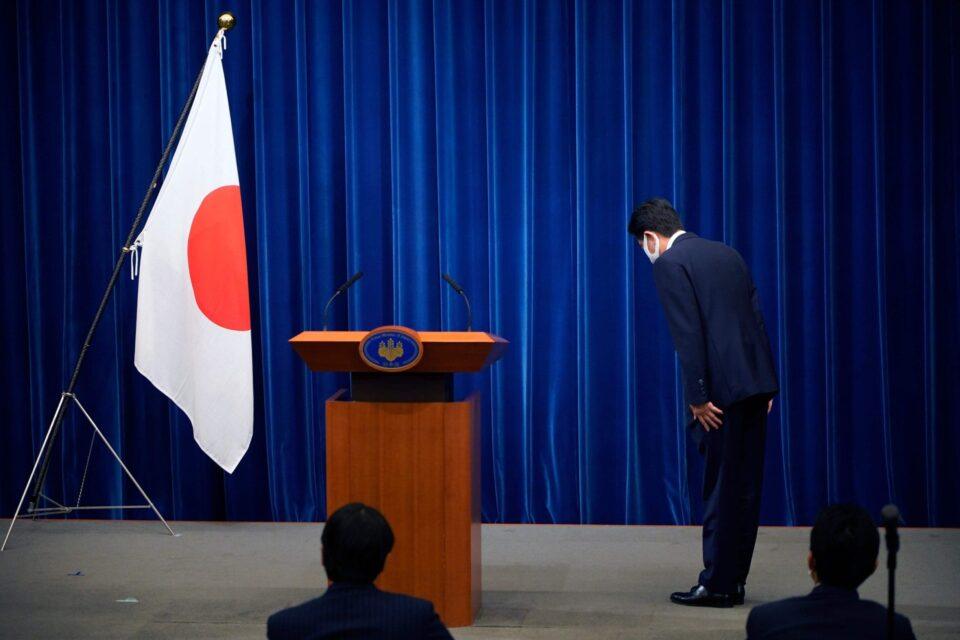
Last week Japanese Prime Minister Shinzo Abe announced that he is stepping down from his position due to health reasons. The announcement shocked many around the world. The longest-serving prime minister of Japan has long been considered as someone who would bring Japan back to its economically glorious days. His resignation will create significant repercussions for Japan and its region.
In his tenure as the prime minister of the country, Shinzo Abe aimed to generate the same level of economic strength that was achieved in the post-World War II period in the country. Just after resuming office for the second time, after a short tenure in 2006, Abe gave remarks in Washington about his country’s future. His speech was a response for those who believed that chronic economic problems, demographic decline, together with its stagnant foreign policy would make Japan a second-tier power on the international stage. In his response, he said “my task is to look toward the future and make Japan the second-biggest emerging market in the world, and the ever more trusted partner for the region and the world. The road ahead is not short. I know that. But I have made a comeback, just to take on this task. For the betterment of the world, Japan should work even harder. And I know I must also work hard to make it happen. So, ladies and gentlemen, Japan is back. Keep counting on my country.”
He took several steps in order to reach his objectives. His ambitious economic policy aimed to revive the Japanese economy that was stagnated since the 1990s. Also known as “Abenomics,” this new policy entailed a monetary easing, fiscal stimulus and structural reforms. Although he could not reach all of his goals in regard to his economic policy, he succeeded to provide a long period of economic growth for his country.
In a period mostly defined by trade wars and protectionism among major powers, Abe wanted to pursue his liberal economic policies internationally. His major disappointment following the withdrawal of the United States from the Trans-Pacific Partnership (TPP) did not stop him from pursuing another arrangement in the region to sign a free trade deal.
During his tenure, Abe also aimed to increase the Japanese footprint in the region through a more assertive foreign policy. In a rather short period of time, he visited numerous countries and revived or restored ties with them. Part of his goals in foreign policy was also related to his economic policies. Establishing commercial, defense and energy relations with countries around the world was one of the primary objectives of Abe’s globetrotting. However, this was not the only objective of Abe.
Creating partnerships and alliances throughout the region against the rise of China and gaining support for his defense posture in the region were among his other objectives. During his period, the crises with China, including his visit to Yasukuni Shrine and tension between Japan and China in regards to the ownership of the Senkaku Islands, resulted in serious rethinking about the future of Japan’s foreign policy.
Domestically, Abe tried to take some steps to make some structural and constitutional changes in order to generate a Japan that is more assertive and powerful in the region. In order to resolve the demographic challenge that the country has been facing due to the low birth rates, Abe took some important steps to encourage women to join the workforce. He also succeeded in bringing some guest workers to Japan to join the workforce. He was partly successful in these attempts, however, he could not change the downward trajectory of the population growth in his country.
Thus, there is a consensus among those around the world who have been observing Japan, that Abe launched significant changes in Japan during his tenure. However, as he said in his resignation speech, he left many goals unfinished. In a period of increasing uncertainties, Abe’s resignation will create another layer of uncertainty for the region. In a few months, Japan will have a new prime minister and the goals and objectives of this new prime minister will create a new set of dynamics for Japan and the whole Asia-Pacific region.
This article was first published by Daily Sabah on August 31, 2020.