A Turkey-US discrepancy east of Euphrates
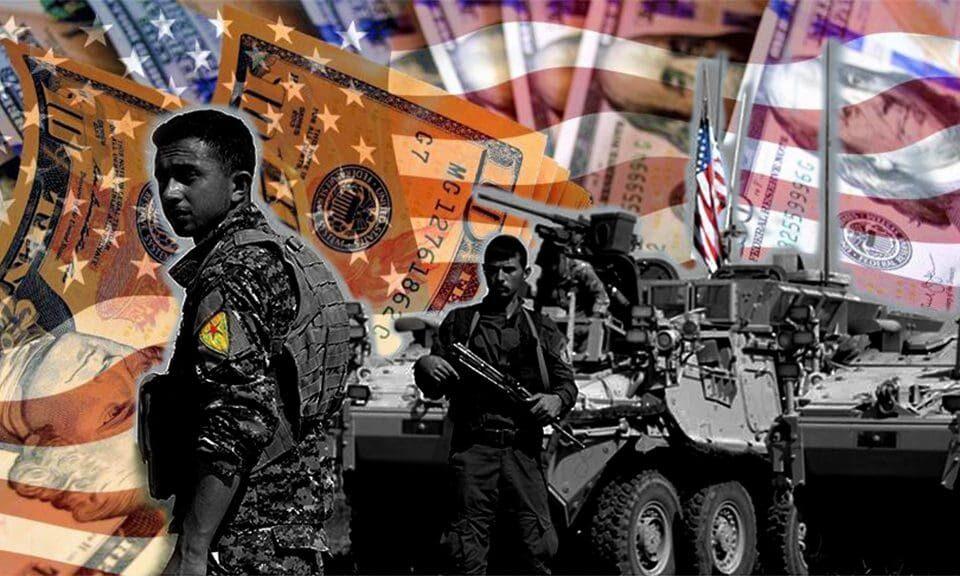
Since the very beginning of the U.S.-People’s Protection Units (YPG) partnership, Turkey has been sending a clear and strong message about its opposition. By now all of the Turkey observers know the main concerns of Turkey about the empowerment of a terrorist organization alongside its southern border by its NATO ally. The training of the YPG members by the U.S. has been considered as a direct threat to the national security of Turkey.
For almost four years now, the U.S. administrations gave Turkey different assurances about their relations with the YPG. The relations were supposed to be tactical and limited, and in areas such as Manbij, Washington assured Ankara that there will be a definite withdrawal of YPG forces from the area after its capture from Daesh. These promises were not kept in a timely fashion. Even the Manbij agreement between Turkey and the U.S. took place after the U.S. secretary of state recognized Washington’s lack of commitment to its words and after Turkey’s show of force in its Afrin operation.
The clear and strong message from Turkey was also evident in regards to the Euphrates River region. Turkey never said that it would tolerate in such a fait accompli along its border. In fact President Recep Tayyip Erdoğan, in so many different instances, expressed that the presence of the YPG east of Euphrates is an issue that needs to be resolved and Turkey will take all possible measures to deal with it.
Security concerns are the sole motivation for the Turkish military, which is about to launch a counterterror operation in northern Syria
There is nothing to be surprised about when it comes to Turkey’s determination to fight against the YPG. The surprising part is that some actors in the U.S.’ Syria policy are treating Turkey’s preparation for a military operation in the region as something unexpected. When President Erdoğan made a statement about a nearing military operation east of the Euphrates, some officials in the U.S. reacted to the situation by providing different pretexts.
At this point the timing and extent of the operation is yet to be announced by the Turkish military, but one more time, with this increasing activity in the border area, Turkey has demonstrated that all options will be on the table when it comes to the issue of fighting against terrorism.
In order to prevent the emergence of another crisis in Turkish-American relations, there are several issues that need to be remembered. The border posts announcement bring us to square one again following the beginning of the joint patrols in Manbij and the inclusion of some of PKK leaders in the “Rewards for Justice” bounty program.
A similar crisis of trust on the Turkish side took place following the announcement of the building of the border security forces by the U.S. military in January. Later Secretary of State Rex Tillerson denied this and a new set of confidence building measures were initiated by the two sides.
The Turkish forces launched the Afrin offensive shortly after. Secondly, it is an excellent time for the U.S. to clarify the future of its relations with the YPG. What was tactical and what was limited needs to be seen by the Turkish side. Considering the beginning of a new phase in the Syria conflict, the U.S. needs to remember that long-term stabilization and reconstruction of Syria necessitates an active cooperation with Turkey.
Also following the end of Daesh’s territorial control over lands in Syria, the two countries also need to start working on ways to prevent the emergence of a new terrorist group and how to fight against Daesh following its mutation to a more conventional terrorist organization.
Thirdly, the U.S. needs to resolve its interagency disputes in regards to its Syria policy. These disputes are not only destabilizing U.S. foreign policy but also causing very hard to repair damage to its relations with a NATO ally.
The Twitter messages of some of the U.S. officials or pictures of them with the YPG-PKK members are creating more than public diplomacy crises between the two countries. Summit diplomacy between President Erdoğan and U.S. President Donald Trump and their close follow-up in regards to implementation of the decisions they took in their summits will be extremely important for the resolution of the impasse.
Finally, the U.S. needs to remember that a few months ago the U.S. administration was deliberating on whether they should leave Syria or not. But the situation is very different for the Turkish side. Turkey shares its longest border with Syria. It hosts almost four million Syrian refugees. Turkey is suffering the import of insecurity and instability from Syria. It has suffered from the attacks of two terrorist organizations at the same time, namely the PKK and Daesh. Turkey has spent so much diplomatic effort to resolve this crisis. And Turkey is here to stay. Therefore, for its security concerns, Turkey will continue to show the same degree of determination.
This article was first published by Daily Sabah on December 17, 2018.
You may also like