An optimist’s view on Ankara-Washington normalization
The ups and downs in Turkey-U.S. relations in the last two decades have generated a paradoxical situation for scholars and observers alike.
On the one hand, there is optimism for the future of relations that depend on strategic relations, the geopolitical weight of Turkey and historical bonds.
Regardless of how bad it can get, optimism among many dictates that crises or tensions will be overcome due to the strategic interests of these states. If there is a trajectory of further deterioration of relations, they expect that things could get worse before they get better. This has somehow been the bright side of the relations.
It has saved the day for those who write press briefs and readouts during times of crises. On the other hand, besides this optimism, there has been a trend of growing crises in relations.
The number of crises areas between the two countries has increased in the last five years. Instead of one major problem area, now there are multiple others that contributed to the dissolution of mutual trust in relations.
Disagreements in Syria, the aftermath of the July 15 coup attempt and the arrest and trial of Hakan Atilla were added to the list in the last few years. Now, the U.S. position on the Eastern Mediterranean issue is about to become another one of these problems in bilateral ties. In addition to that in the preexisting areas of political divergence, things got worse in the last few years.
For instance, Turkey has always asked the U.S. to support its effort to eradicate terrorism in the border areas of Turkey where the U.S. had operational capabilities on the ground. Turkish officials frequently complained about their American counterparts with regard to insufficient assistance in counterterrorism.
However, now we have a situation in which the U.S. has actively armed and equipped the Syria branch of the PKK terrorist organization, namely the People’s Protection Units (YPG). Similarly, the tactical divergence between the two countries in regards to the conflict in Syria has been transformed into a strategic divergence in the last few years. From their perspective, it has become more challenging to become optimistic about the future of bilateral relations.
This increasing number of crises areas and deteriorating challenges together made it harder and more complicated for policymakers to solve them. This paradoxical situation of enduring optimism and rising tension has become difficult to sustain in the last few months.
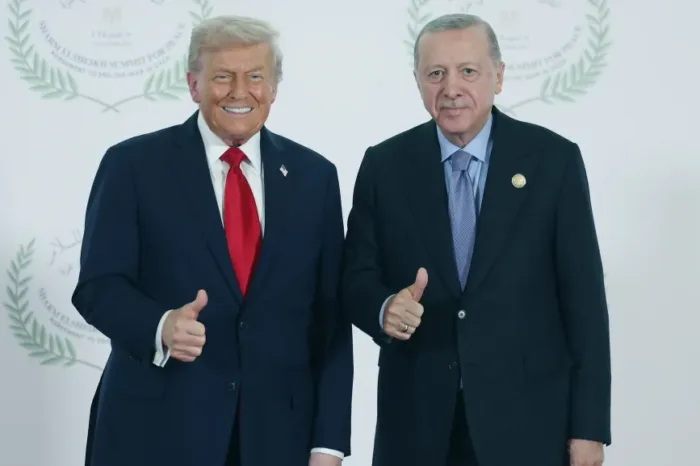
Despite the optimistic note in relations following the meeting of the leaders of Turkey and the U.S. in Osaka last month, the increasing number of resolutions that were introduced by members of Congress and constant flow of statements by some agencies in a threatening voice towards Turkey makes it harder to keep optimism alive.
Some have already started to interpret the state of relations as a potential train wreck. Others argue that relations are going through the worst crises in the last 50 years since the arms embargo against Turkey in the 1970s and Johnson’s letter.
As mentioned in this column last week, recent public opinion polls show an increasing degree of distrust towards the U.S. among the Turkish public. Following the potential CAATSA (Countering America’s Adversaries Through Sanctions Act) sanctions and exclusion of Turkey from the F3-5 program, this picture will definitely get darker.
A crisis in relations in the Eastern Mediterranean will make it almost impossible for optimism to endure. In these gloomy days of relations, however, there are steps that the U.S. can take to control the situation.
As we approach the anniversary of the July 15 coup attempt, an appreciation of the trauma that Turkish people went through and an understanding of the potential threats that the facilitators of this coup pose to Turkey will provide an important breathing ground for relations.
Three years ago on that fateful night, the reactions of the U.S. administration with regard to the coup attempt and the initial statements have quickly become one of the most critical issues in bilateral relations between the two countries.
At this critical juncture, an indication that the U.S. now understands this heinous coup attempt will provide important relief that can help rebuild trust in relations.
This article was first published by Daily Sabah on July 13, 2019.
You may also like