New, complex dimensions to US-China trade talks
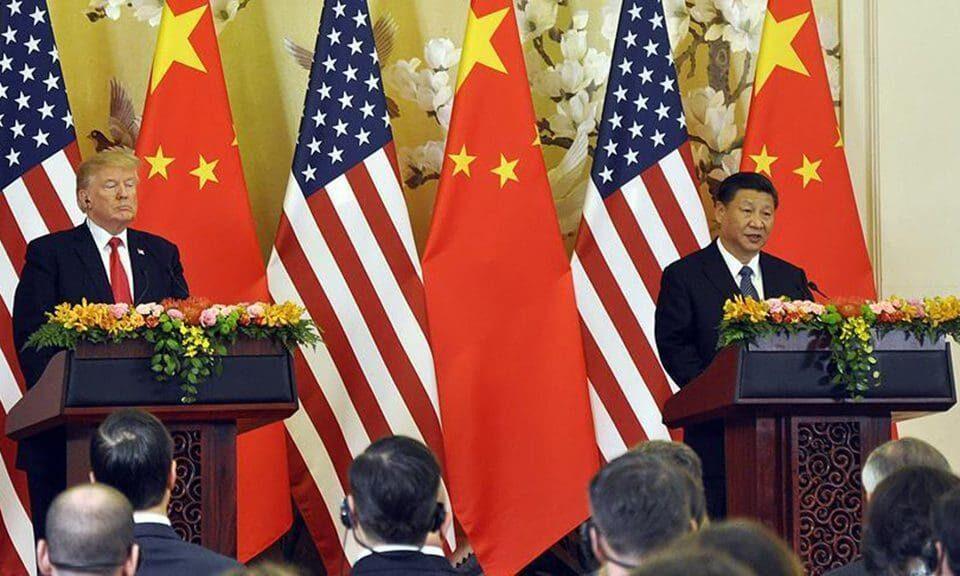
Last week, two developments in the U.S.-China relations demonstrated the intricacy of their ties and signaled the future trajectory of the Great Power rivalry.
Following mutual threats of increasing tariffs and sanctions as part of the ongoing trade war, high-level trade representatives from both countries said they will resume negotiations in October.
Some have interpreted this as a positive development and attempt to de-escalate the tension that may stop the possible train wreck due to the trade war. It was also regarded as a confirmation of the opinions of those who argue that the complex interdependence between two nations will make it almost impossible to have a confrontation based on economic competition.
However, another development concerning the bilateral relations demonstrated the difficulty to continue a “normal” relationship as a result of the strong economic ties.
Last week Federal Chief Information Security Officer Grant Schneider in a statement branded China a significant threat for the cyber operations of the U.S. “China has the capacity and the capability and the intent to work against the U.S.,” he reportedly said.
He added that “China is an adversary that has displayed their intent, has clear means to get into and attack our critical infrastructure systems, our government systems… both from an intellectual property theft point of view, as well as an espionage point of view.”
This is something that has been frequently stated by U.S. officials for the last several years but the issue has gained new meaning following the beginning of the trade war between the U.S. and China.
U.S. intelligence agencies and senior U.S. officials frequently mention China’s cyber capability as the most significant threat for the U.S. However, with the beginning of the debates on the trade war the issue gained a new dimension.
As stated by Schneider, now the cyberthreat is more than a hardcore security threat against the U.S. in terms of military, cyber espionage and hard power. His statements reflect the economic connection of the cyberthreat issue for the U.S.
The competition between the IT industries of the two countries has been part of this threat perception for the last several years. In particular, the relation between China’s IT giants and European countries created serious concern in the U.S. administration and U.S. companies.
However, it turns out to be not the only challenge when it comes to competition between the U.S. and China. Schneider in his statements also raised the issue of the intellectual property rights infringement, which has been a very critical issue for U.S. President Donald Trump and the connection between the cyberthreat perception and intellectual property rights infringement.
This new linkage approach by the U.S. administration will make it more challenging for the negotiators on both sides to resolve the economic and trade disputes between the two countries in the upcoming trade talks.
We may face a widening of the agenda for the trade war talks that will include cyber-related issues as well. It also demonstrated that in addition to the high-level Department of Commerce delegations in the coming years we may encounter senior representatives from cybersecurity field engaged in these debates.
We may see critical interventions by these officials that can change the trajectory of the economic dialogue meetings. This will definitely complicate the economically based debates between the two countries. This new dynamic, and increasing concerns over cybersecurity issues, will impact the nature of the Great Power rivalry. Thus the rivalry will be a new one, with some new vocabulary and new actors as well. We have to get ready to get used to this new era of Great Power politics.
This article was first published by Daily Sabah on September 7, 2019.
You may also like