Trump’s Pursuit of a Grand Bargain, Russia Hawks, and the Global Order
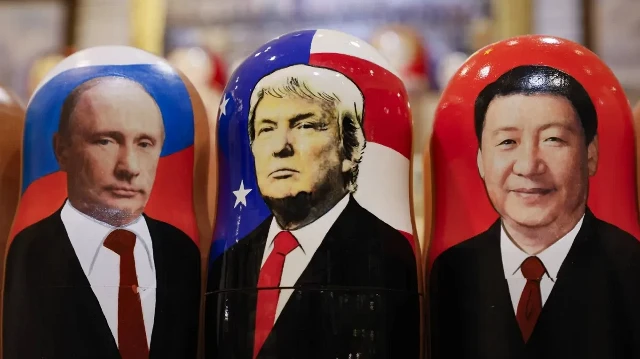
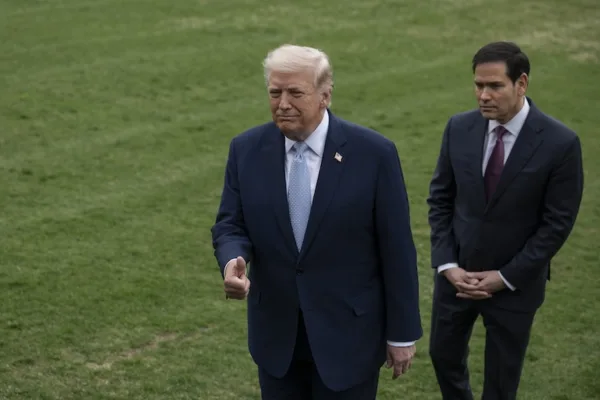
As Trump prepares to meet with Chinese leader Xi Jinping for the third time this year, Russian leader Putin’s proposal for a trilateral summit has alarmed Russia hawks in Washington. Scheduled to attend the Asia-Pacific Economic Cooperation (APEC) summit following the November midterm elections, Trump is trying to strengthen relations with Xi, whom he met in Beijing in May and hosted in Washington in September. After Beijing retaliated in the trade wars, Trump opened channels of dialogue with China on issues such as trade, artificial intelligence, drug trafficking, rare earth elements, Taiwan, and Iran, and is now making a new overture toward Putin. Russia hawks—reacting sharply to his freezing of sanctions against Russia, the diesel fuel agreement, and his openness to Putin’s trilateral summit proposal—criticize these moves as pre-election desperation and an abandonment of Ukraine to its fate.
On one hand, Trump wants to ease inflation pressure on himself ahead of the November elections, while on the other, he seeks to limit the fallout of the wars in Iran and Ukraine by turning a new page with China and Russia. As a leader who generally prefers one-on-one negotiations, Trump’s declared openness to Putin’s trilateral summit proposal indicates his belief that America can resolve global issues outside of multilateral formats alongside Russia and China—powers he respects as global peers. Preferring the “grand bargain” opportunities generated by great-power politics over the “cumbersome” structure of the rules-based international system, Trump faces opposition from foreign policy elites whose influence remains limited. In this sense, it can be said that American foreign policy in the Trump era is abandoning the alliance system and evolving toward a structure where great powers make critical decisions among themselves.
Pressure on Ukraine, Rapprochement with Russia
Trump’s shift toward easing pressure on Russia and turning up the pressure on Ukraine ahead of the November elections serves as a reminder that his relationship with Zelensky has always been about “setting straight” a minor power under American protection, whereas his relationship with Putin has consistently developed around respect for a great power. Trump is delaying the implementation of sanctions against Russia, expanding energy trade, and attempting to normalize relations with Putin. Conversely, while asking Zelensky to stop attacks on Russian oil refineries, he speaks of the need for new leadership in Ukraine. Rather than pressing Russia for failing to accept an “energy ceasefire,” Trump highlights Kiev’s attacks. Reports that Elon Musk’s company, Starlink, is slowing down cooperation with Ukraine indicate that Washington’s de facto pressure has reached a point where it directly affects field operations.
These developments, which mobilized Russia hawks in Congress, led some Republican senators to react fiercely against Trump’s special envoy Steve Witkoff using the term “humanitarian” for Putin. Although the Republican Party’s traditional foreign policy vision views Russia and China as rivals or adversaries, Trump is criticized for pulling these relationships out of a long-term strategic framework to prioritize personal diplomacy and economic bargains. Editorials in The Wall Street Journal and writings by John Bolton can be cited as examples in this regard. While these reactions are unlikely to turn into serious political resistance, they could trigger a more activist approach to foreign policy in Congress and harsher media criticism, especially after the election. In other words, abandoning Ukraine and cozying up to Russia could emerge as a dynamic that complicates matters for Trump under a divided Congress scenario.
Election Calculation or Strategic Axis Shift?
It is possible to attribute Trump’s pursuit of a new rapprochement with Russia and China to election dynamics and commercial interests. However, repairing the deep rift this rapprochement creates—especially within the Western alliance—will not be possible in the short term. This indicates that even if driven by short-term calculations, America’s position within the Transatlantic alliance will permanently change in the medium and long term. America no longer appears interested in competing or struggling against Russia and China alongside its allies. A managerial mindset has taken hold that views negotiating America’s direct interests with these countries as a requirement of the “America First” ideology.
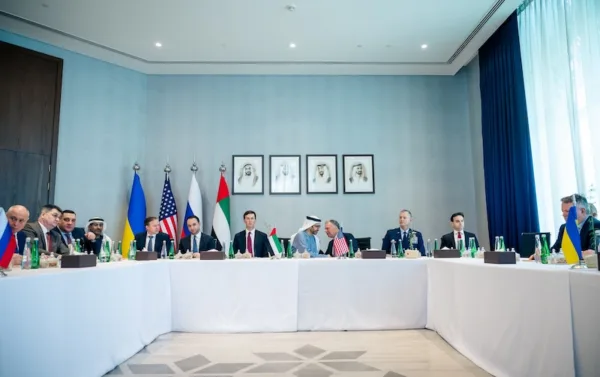
While it is possible to interpret Trump’s rapprochement with Putin and Xi as leadership diplomacy, this perspective remains incomplete. Trump not only aims to relinquish America’s leadership role in the Western alliance but also seeks to leave behind a political legacy of making peace with traditional great-power adversaries. Conducting talks at a trilateral summit that will decide the fate of other nations such as Ukraine, Iran, and Taiwan has already laid the groundwork for comparisons to the Yalta Conference. The evolution of American governance under Trump toward such a model of global management could yield significant consequences for the future of the NATO alliance and the United Nations system. The prospect of regional conflicts and spheres of influence being determined through bargains among these three great powers points to a new strategic axis shift in American foreign policy.
I have previously written that Trumpian “America First” foreign policy has a “partly cloudy” track record in the Ukraine and Iran wars. It is difficult to claim that Trump’s efforts to align with Russia and China stem from a comprehensive and effective strategic transformation effort. Driven by short-term economic interests, this trend appears to have gained momentum under the pressure of electoral concerns. However, the fact that this process is not conducted through a fully matured strategic approach does not change the reality that American foreign policy is undergoing a permanent transformation in many respects. A new American foreign policy is emerging: one that puts significant distance between itself and its allies, prioritizes its own national interest over the maintenance of the international system in great-power bargains, and remains open to cooperation with strategic adversaries for short-term economic and political gains. This policy can be said to be steering global politics away from a rules- and norms-based international system toward one where everyone is forced to “fend for themselves.”
You may also like