Turkey-US ties in first month of Trump administration
The last week was one of the most challenging periods of time for the Trump administration. The resignation of the national security adviser, the withdrawal of the nominated secretary of labor and Robert Harward’s response for the offer to be National Security demonstrated the difficulty to form a team at the White House for a new president. In the midst of team formation, a new set of challenges are also testing American resolve in regards to the international system and security. For instance, the missile test of the North Korean government showed how some regimes are trying to take the opportunity to advance their own interests in their respective regions. Of course, in the midst of this difficult period of transition, the administration is trying to carry out its diplomatic engagements with its allies in different regions. Secretary Mattis’s visit to South Korea and Japan, Secretary Tillerson’s visit to Germany and Vice President Pence’s participation of the Munich Security Conference demonstrated the administration’s attempt to keep things as is in the U.S.’s engagements around the world.
It has been exactly one month since the inauguration ceremony that resulted in different types of controversies between the president and his administration and in some areas we have a somewhat clearer picture of the future of U.S. relations with different countries around the world. Of course, in this critical juncture, one of the very important bilateral relations to think and analyze is Turkish-U.S. relations. It is important to find an answer to the question of how to reformulate Turkish-U.S. relations in a period where there are so many loose ends in the region and so much mistrust in bilateral relations. However, in the first couple of weeks there are positive signals on both sides in regards to their determination to advance common interests and keep the “strategic partnership” between two countries.
The first and most significant task of the Trump administration to revive the damaged Turkey-U.S. relations is to take steps to overcome the trust and confidence problems in bilateral relations
The primary concerns of Turkey in its relations with the U.S. for the last several years have been obvious to many analysts. The list of concerns includes the training and arms that have been provided to the People’s Protection Units (YPG) in northern Syria, Turkey’s demand for the extradition of Gülenist Terror Group (FEYÖ) leader Fetullah Gülen and active cooperation from the U.S. against his group, and the establishment of safe zones. These demands are well known to the White House and State Department, since the issues have generated so much tension and paved the way to so many high level meetings between the two countries. Especially since the beginning of the Kobani crisis and the rise of Daesh in the region, we have seen an almost unprecedented frequency in the number of meetings between the senior level officials of both sides. However, these meetings were insufficient to resolve the very important issues. What Turkey has been expecting is a strong commitment on the part of the U.S. in regards to the aforementioned concerns.
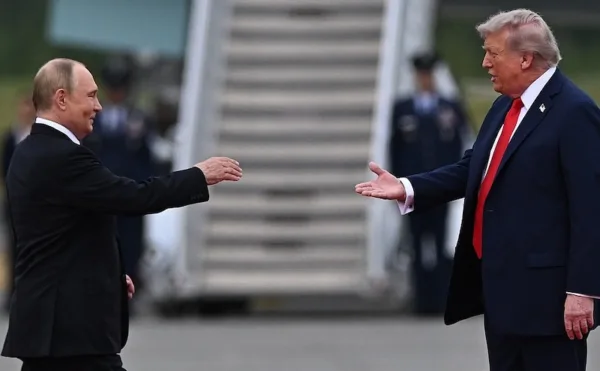
The first couple of weeks of the Trump administration has taken positive steps in regards to the commitment of bilateral ties. The phone conversation between President Recep Tayyip Erdoğan and Trump, the meetings between Prime Minister Binali Yıldırım and Vice President Pence, Tillerson and Çavuşoğlu and Mattis and Işıkk in a rather short period of time was promising in terms of diplomatic commitments. Additionally, visits to Ankara by the CIA director as well as the chairman of the Joint Chiefs of Staff were other concrete developments that followed these positive attempts to normalize Turkey-U.S. relations. Both of these meetings demonstrated the active presence of operational cooperation between the respective military and security establishments of the two countries. The emphasis on the fight against terrorism and Daesh in all of the readout following the meetings demonstrates that it will be an important dimension of relations. However, at this point what can really alter the impact of problematic relations for the last few years is some steps from the U.S. administration in regards to Turkey’s concerns. In the absence of some meaningful steps, it will be harder for the two countries to open a new page in relations. Whether it is the operations against Daesh or security cooperation in the region, the U.S. administration needs to understand that beyond these operations it will be really important to maintain the strength of bilateral ties for the long-term stability of the region and alliance relations with Turkey. The short term alignments and actions that will risk the security of its NATO allies may generate long-term problems in trust and confidence in bilateral relations.
This article was first published in Daily Sabah on February 20, 2017.