‘Deal of the Century’: More than a failure
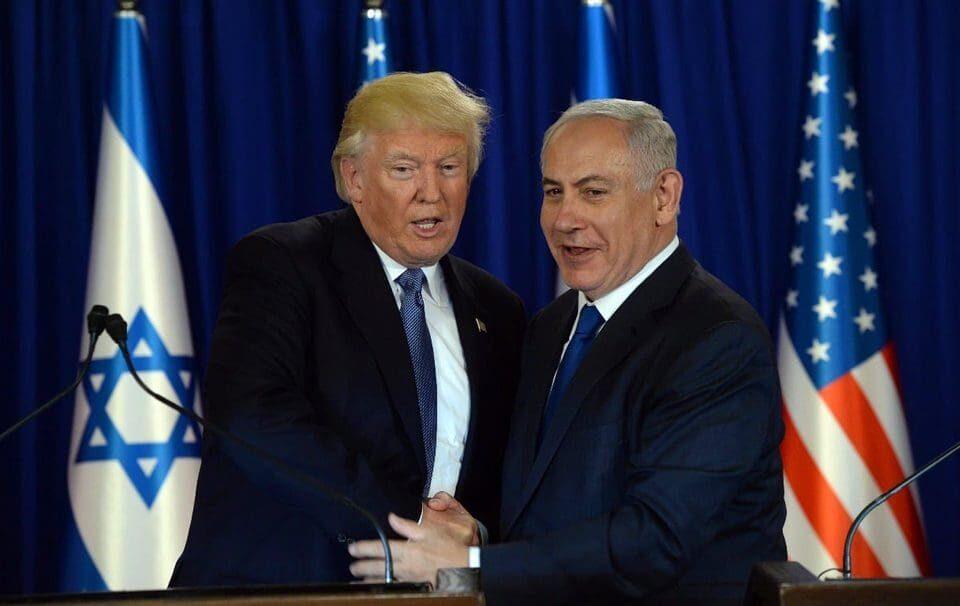
It has become almost customary for every U.S. administration to propose a plan to resolve the Israeli-Palestinian problem in the Middle East. For some, like the Bill Clinton administration, it became almost a legacy issue. The administration and its president spent countless days and weeks on the process and the failure of the peace process, which they deemed the best possible deal, upset them deeply.
For others, it was less important and more of a chore linked to U.S. presidential tenure. Many could not even convince the parties in the conflict that they are invested in the issue. In fact, although until recently it was considered one of the most important issues in the Middle East, from president to president there were fluctuations in the enthusiasm when dealing with the problem.
However, as stated, every prior president wanted or at least seemed to want to do something about this extremely complicated issue. It even became one of the most frequently asked foreign policy questions for presidential candidates during their campaigns.
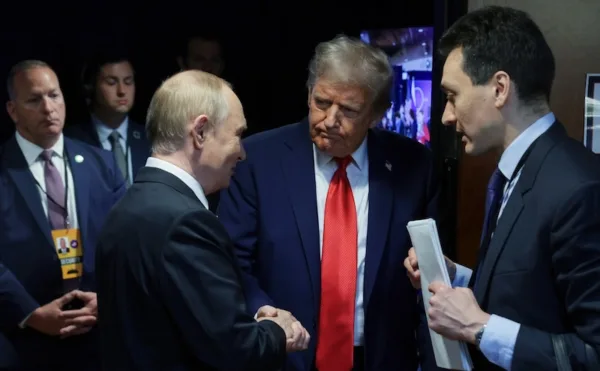
President Donald Trump and his administration have not been exceptions to this pattern. In fact as the author of the “Art of the Deal,” he presented himself as a very ambitious individual to get the best deals. He withdrew the U.S. from the Trans-Pacific Partnership (TPP) and the Iran nuclear deal because, according to him, it was not in the best interest of the U.S.
He aimed to renegotiate some of the agreements previously negotiated and signed by other parties. He definitely aimed to mediate and negotiate a deal about a problem that none of the prior presidents could resolve. Even before its presentation to the public it was being called the “Deal of the Century” partly because of the ambition of President Trump and his team.
However, sometimes ambition does not overlap with the success and feasibility of a proposed plan. This plan, which had been debated and talked about for the past year, was presented last week to the international community. In the press conference and in multiple interviews, the architects of the plan dubbed it the best and most comprehensive one. They expressed their determination to implement this plan, even if the Palestinian side rejects it.
The assessments of the plan in the aftermath of this declaration was rather bleak. There has been criticism from experts, former policymakers and some lawmakers. First of all, as expected the plan did not provide much guidance or a road map for a sustainable and feasible peace accord between the two parties in the region. The absence of the Palestinians in the declaration and their lack of trust in a process that can take place on the perimeters or “criteria” determined by this plan made its implementation really difficult.
In fact, the fact that the plan did not or could not bring together two sides of the conflict around a table was regarded as its biggest weakness. Many commentators criticize the unilateral nature of this plan as its weakest link. Secondly, the timing of the declaration of a plan for such a critical issue raised a lot of eyebrows in the last few days. Israel’s challenging political situation with the indictment of Prime Minister Benjamin Netanyahu and the equally controversial situation taking place with the impeachment of President Trump have led many to believe that domestic political concerns are prioritized over sustainable, lasting peace.
Third, any peace attempt needs to consider the parties’ sensitivity to the critical and symbolic issues in the conflict. Emotions run really high in these conflicts, and unilateral decisions on topics, such as the status of Jerusalem, will make the conflicts more difficult to resolve.
So far many have argued that the plan will be another of the unimplemented and failed attempts to resolve the conflict between Israel and Palestine; however, the way that the plan was designed could make the future attempts more challenging as well.
This article was first published by Daily Sabah on January 27, 2020.
You may also like