Turkey will not be drawn into Gulf fight
Every major development that has taken place in the Middle East in recent years has one thing in common: directly or indirectly, all of them were intended to hurt Turkey. At least since 2010, global players have been working hard to target the country’s short- and long-term interests. It might seem unrealistic to believe that undermining Turkey’s interests is the sole driving force behind regional developments. Clearly, Turkey isn’t the only target, but it is main target because it’s the only regional power with a genuine sense of agency. Like their grandfathers 100 years ago, Western policymakers maintain that bringing the Turks to their knees is absolutely necessary for them to control the Middle East – which is why Turkey’s own ‘Westernists,’ still suffering from an inferiority complex, try to mock Ankara’s regional efforts.
Turkey, as the only regional power with a strong state and democracy, is being lured into the Gulf crisis, but it is working to avoid the trap
Needless to say, the Turks know their limits. But they are not unaware of their strengths and capabilities either. As a powerful regional player, Turkey refuses to turn a blind eye to the developments in the Middle East. Turkish officials understand that insensitivity toward regional issues could undermine their country’s domestic stability down the road.
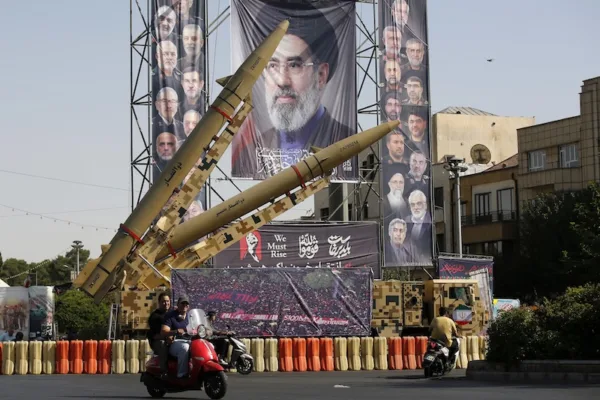
At a time when the neighborhood is full of failed and effectively disintegrated states, there are efforts to make subnational divisions official. On Sept. 25, the Kurdistan Regional Government (KRG) will hold an independence referendum, which will be followed by a general election in November. Next up is Syria, where multiple stakeholders are trying to control the territories liberated from Daesh terrorists. But the rest of the region isn’t doing much better either: the situation in Yemen remains grim. Iran is becoming more aggressive and has been launching missiles against targets in Syria from within its own borders. Meanwhile in Saudi Arabia, the recently appointed crown prince has called for tougher measures against Tehran, including military operations on Iranian soil.
And of course, the Gulf crisis turned out to be related to everything from U.S. arms sales to Qatar and the game of thrones in Riyadh. In recent weeks, the U.S. interfered in Saudi Arabia’s internal affairs by replacing the crown prince. To be clear, Bahrain and the United Arab Emirates (UAE) have no reason to believe that they are immune to Washington’s meddling either.
In recent years, Turkey has become the target of various governments because it introduced safeguards against foreign meddling in its affairs and made it clear to all parties that it would not turn the other cheek in the case of violations. Obviously, all of this progress was made possible by President Recep Tayyip Erdoğan’s strong leadership, which is why he has come to be seen as “the enemy.”
Against the backdrop of the Gulf crisis, Saudi Arabia and the UAE have demanded that Qatar shut down Turkey’s military base near Doha. It would appear that certain people would like the Turks to get involved in a much bigger fight-in-the-making. Under the circumstances, it is important to remember that Turkey has come a long way since 2010 and learned a great deal from the Arab Spring and its aftermath. As such, we will exercise caution and keep walking.
This article was first published in Daily Sabah on July 5, 2017.